A cozy minimalist home is built on one decision, made again and again: keep fewer things, and let every one of them be something you want to touch, use, or look at every day. The calm comes from the space you leave open, and the warmth comes from what you allow to stay in it. Both grow out of the same act of selection, which is why this look feels so restful to live in.
I notice it most in the colder months, when home is exactly where I want to be. My winter evenings have a familiar shape: candles on nearly every surface, an audiobook playing for hours, a knitting project in my lap. That ritual never needed a full room. It needs a comfortable chair, soft light, a throw within reach, and enough quiet around it that the eye can rest.
Below I share what makes a cozy minimalist home feel warm, the natural materials I build around, the minimalist home decor ideas I return to, how I use light, and how to keep a minimal home lived in. You'll find my Amazon picks at the end.
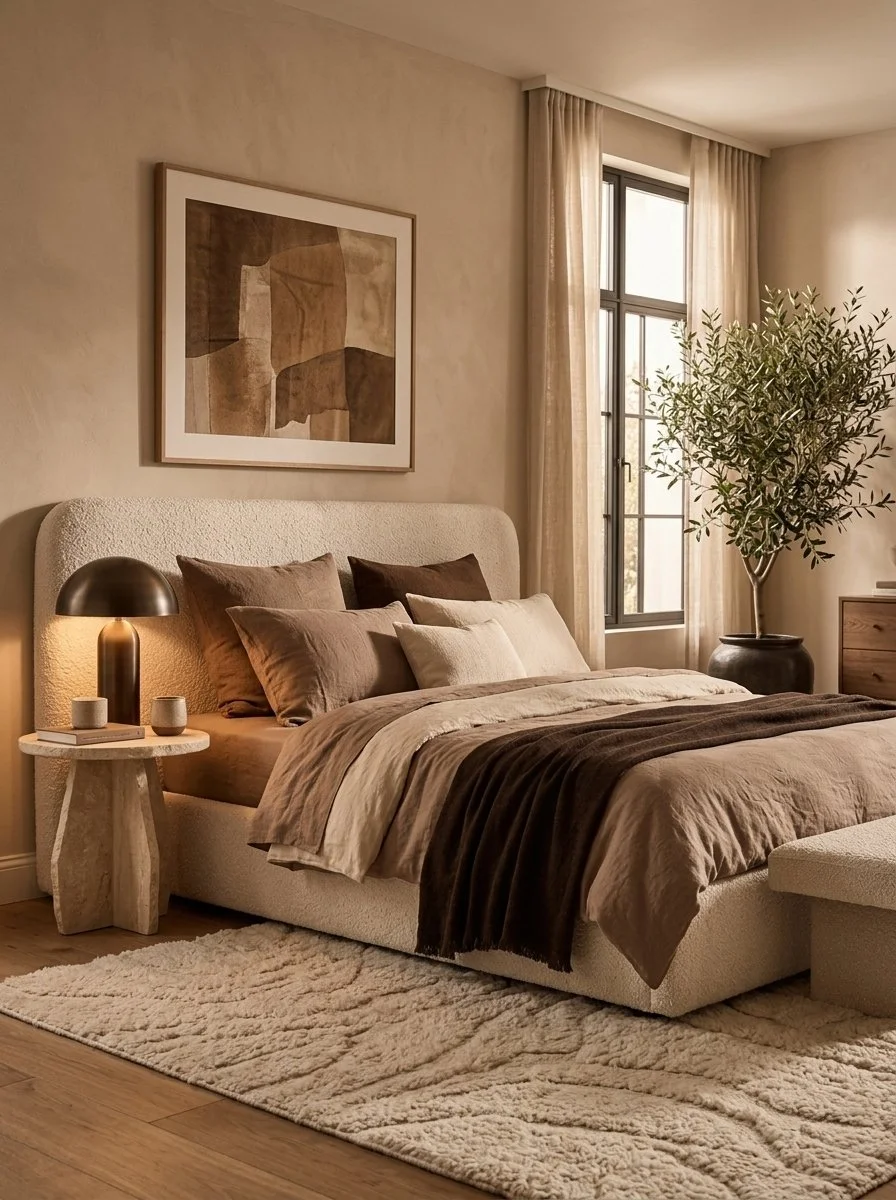
What Makes a Cozy Minimalist Home Feel Warm
When a room holds fewer objects, each one is seen more closely. Its surface, its color, and its weight suddenly matter, because nothing else is competing for attention. That is the quiet logic of a cozy minimalist space: the edit raises the importance of every piece that remains, so the pieces themselves have to carry the warmth.
For me, that warmth comes from three places. Material, meaning wood, linen, wool, clay, and woven fibers that look and feel natural. Shape, meaning rounded edges, soft curves, and furniture you can sink into. And light, meaning lamps and candles that glow low and golden in the evening.
Before something earns a place in my home, I ask myself a few simple questions:
Do I use it often, or do I love looking at it?
Does it feel good in my hands or under my feet?
Does it belong to the same story as the pieces already here?
When the answer to all three is yes, it stays. That small filter is the closest thing I have to a method, and it keeps a cozy minimalist room feeling personal and full of intention.
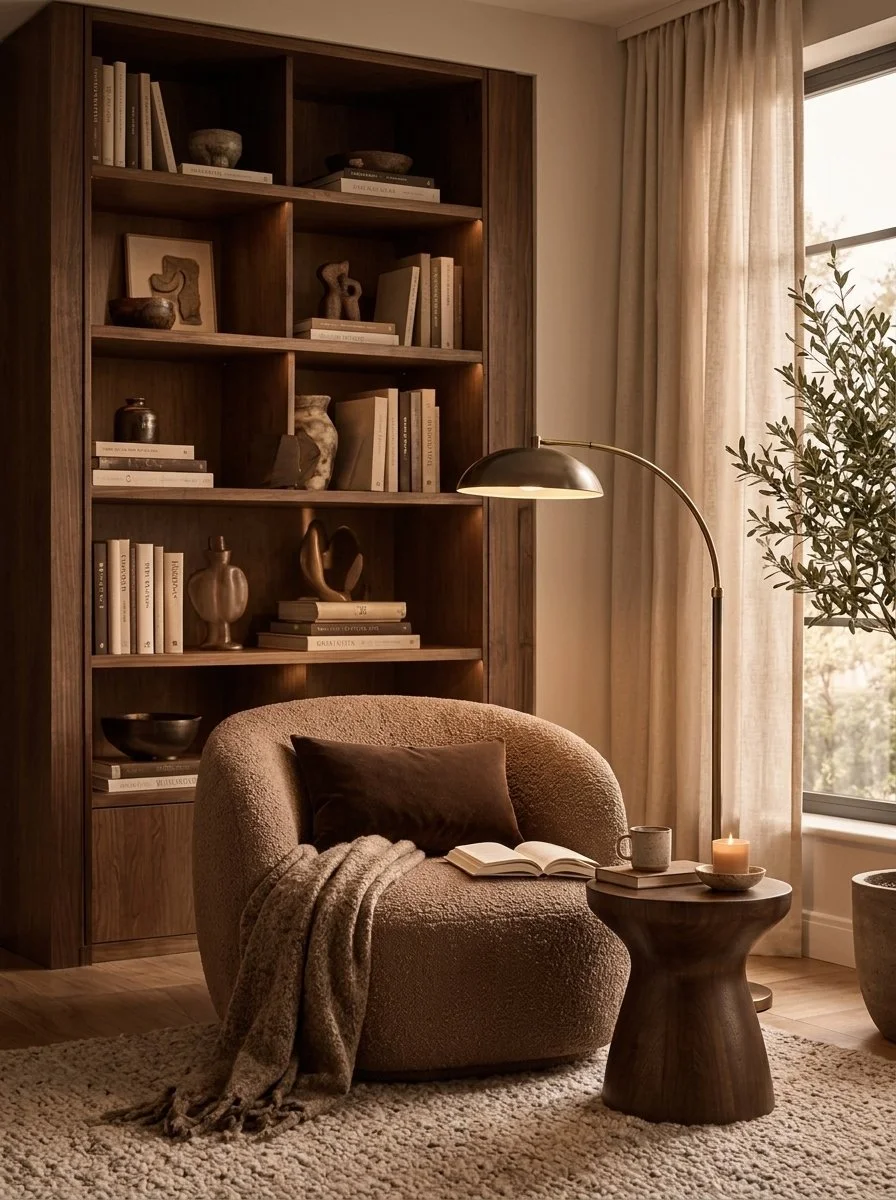
The Natural Minimalist Home Starts With Materials
A natural minimalist home works like an ecosystem. Instead of choosing a sofa, a lamp, and a rug as separate decisions, I choose a small family of materials and let it run through everything, from the furniture to the lighting to the smallest vase. When the same warm wood appears in a coffee table, a wall shelf, and a picture frame, the room reads as one calm story.
These are the materials I reach for in a natural minimalist space:
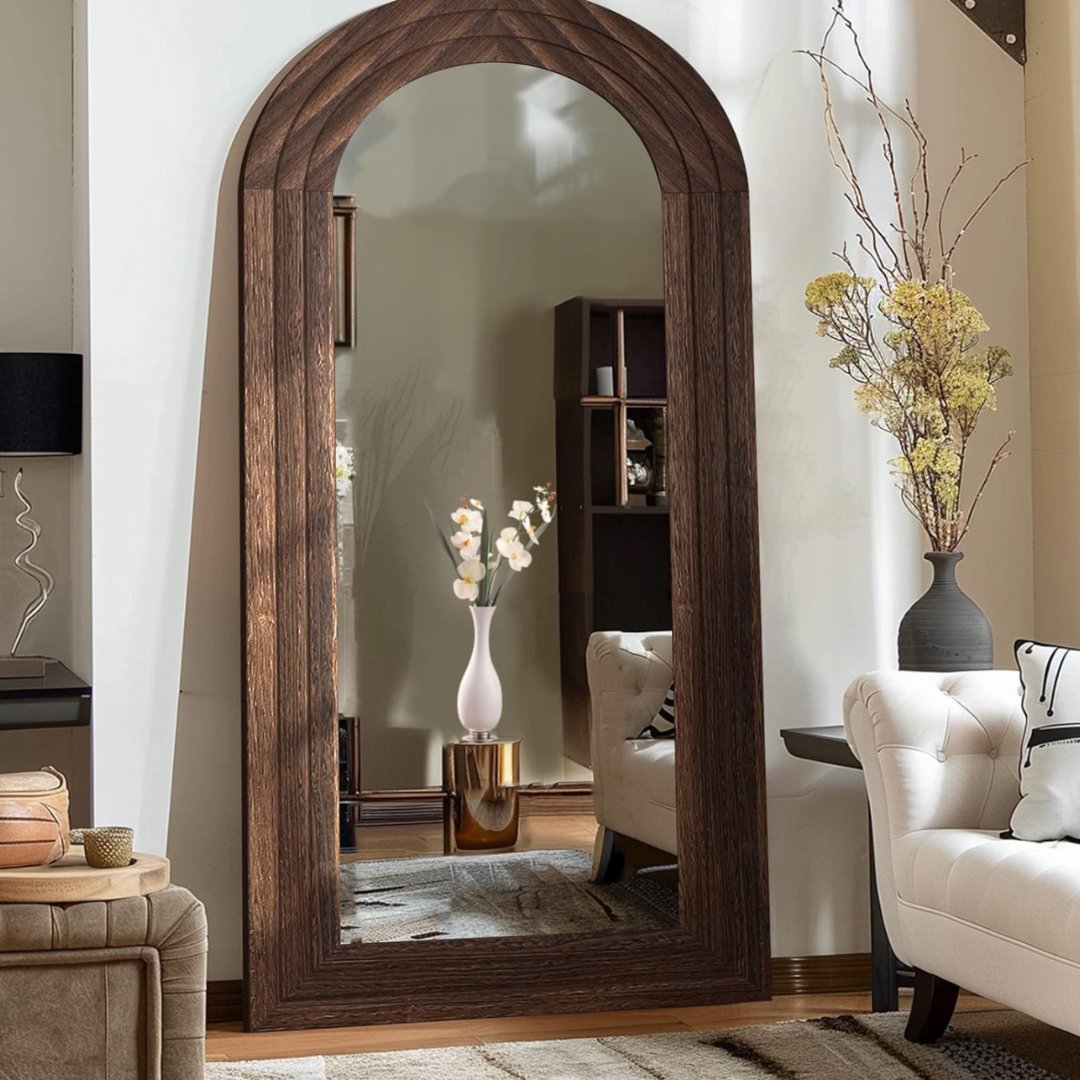
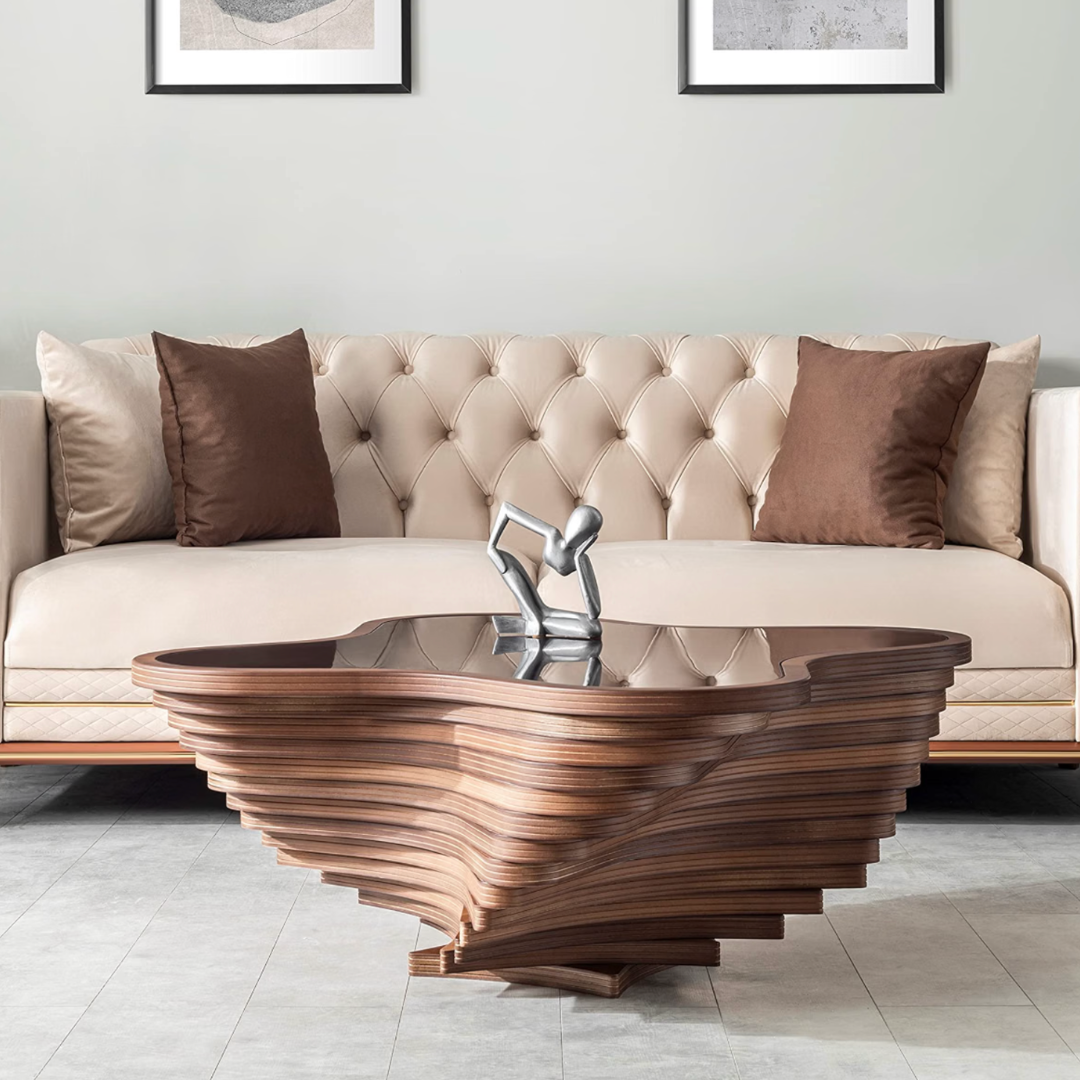
Warm wood. Oak and walnut in honey or caramel tones, ideally with visible grain. I like to repeat one or two wood tones so the room stays cohesive.
Rattan and cane. A rattan chair or a cane detail adds texture and a sense of lightness, since you can see through the weave.
Linen and cotton. Sheer linen curtains, slipcovers, and pillow covers in cream, oatmeal, and sand soften every hard edge.
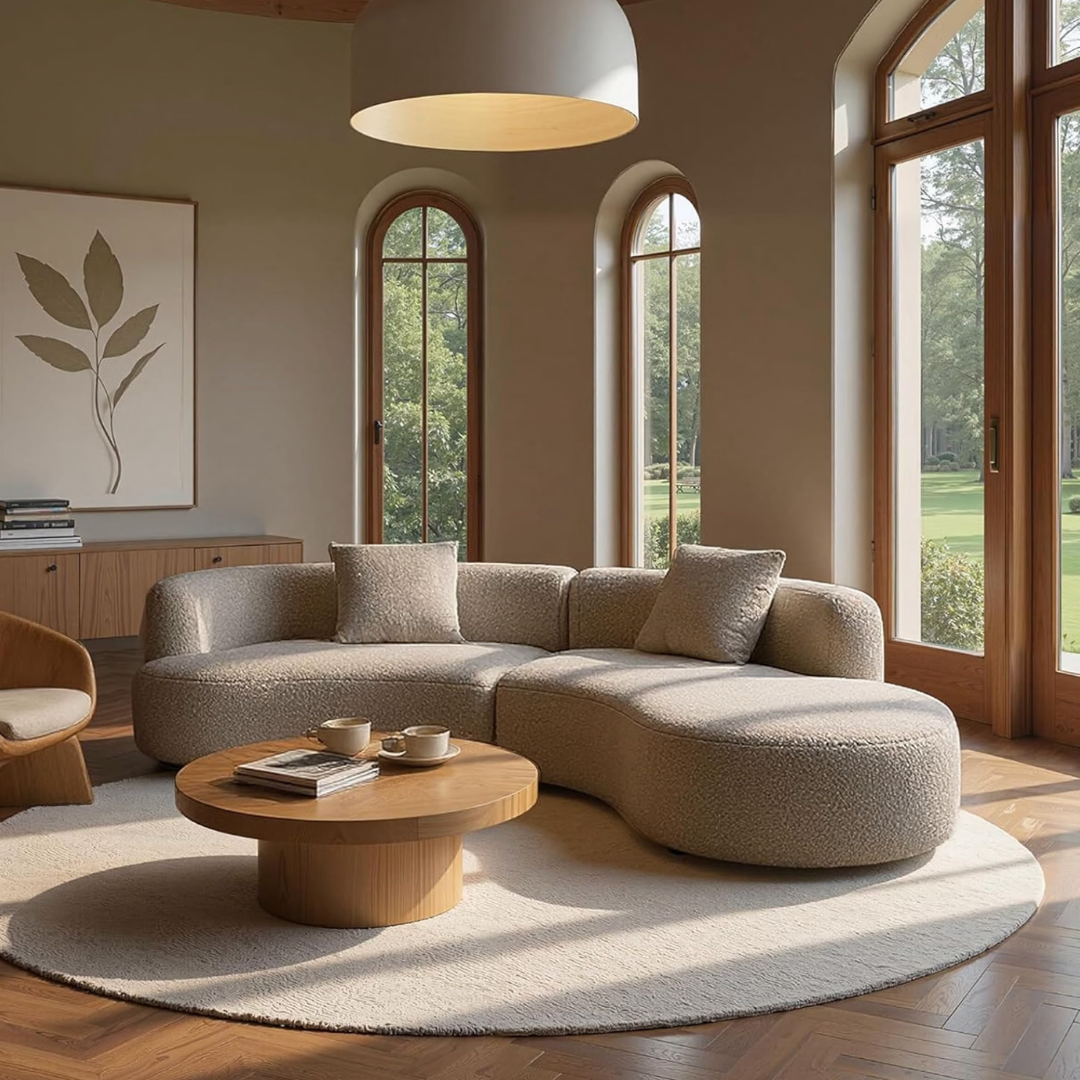
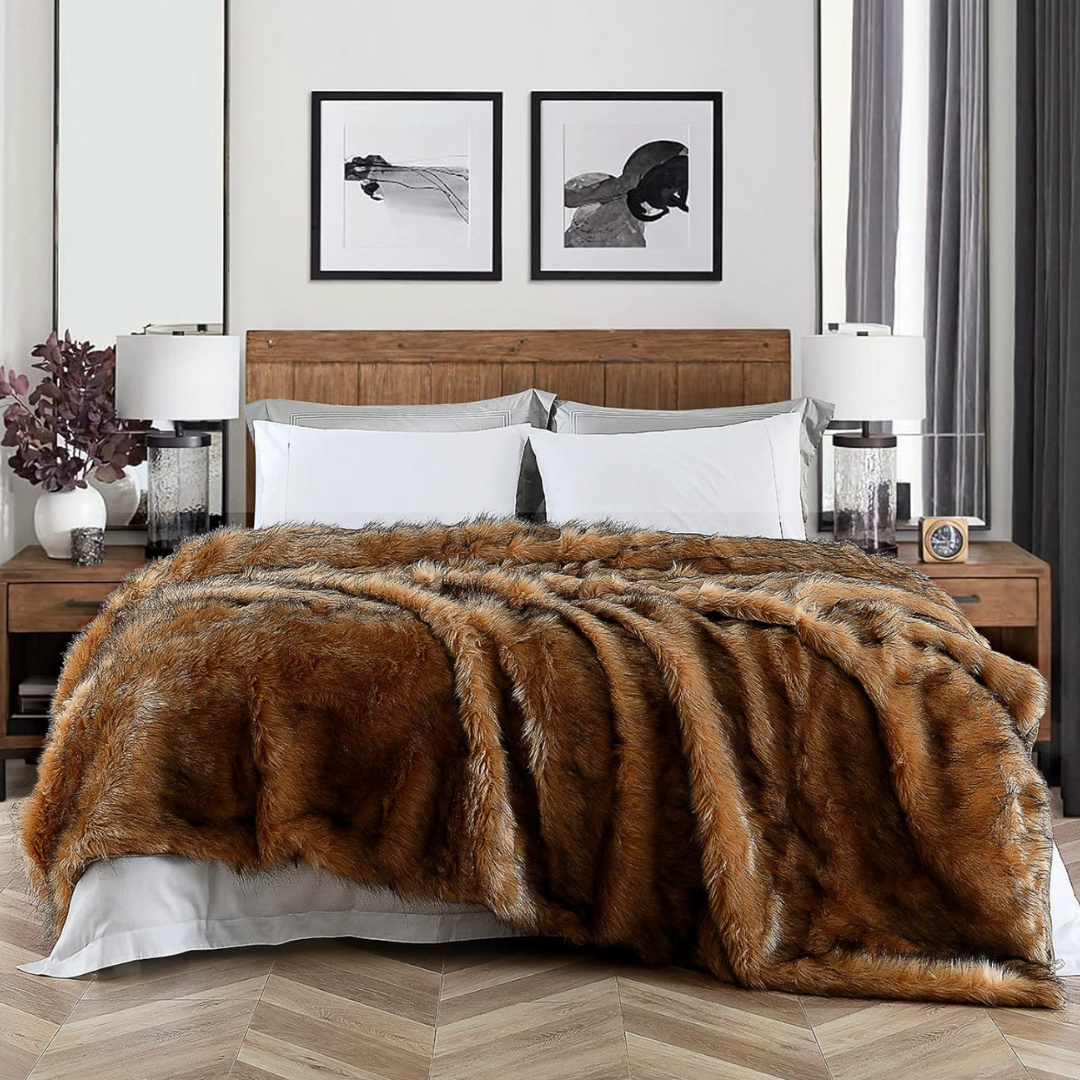
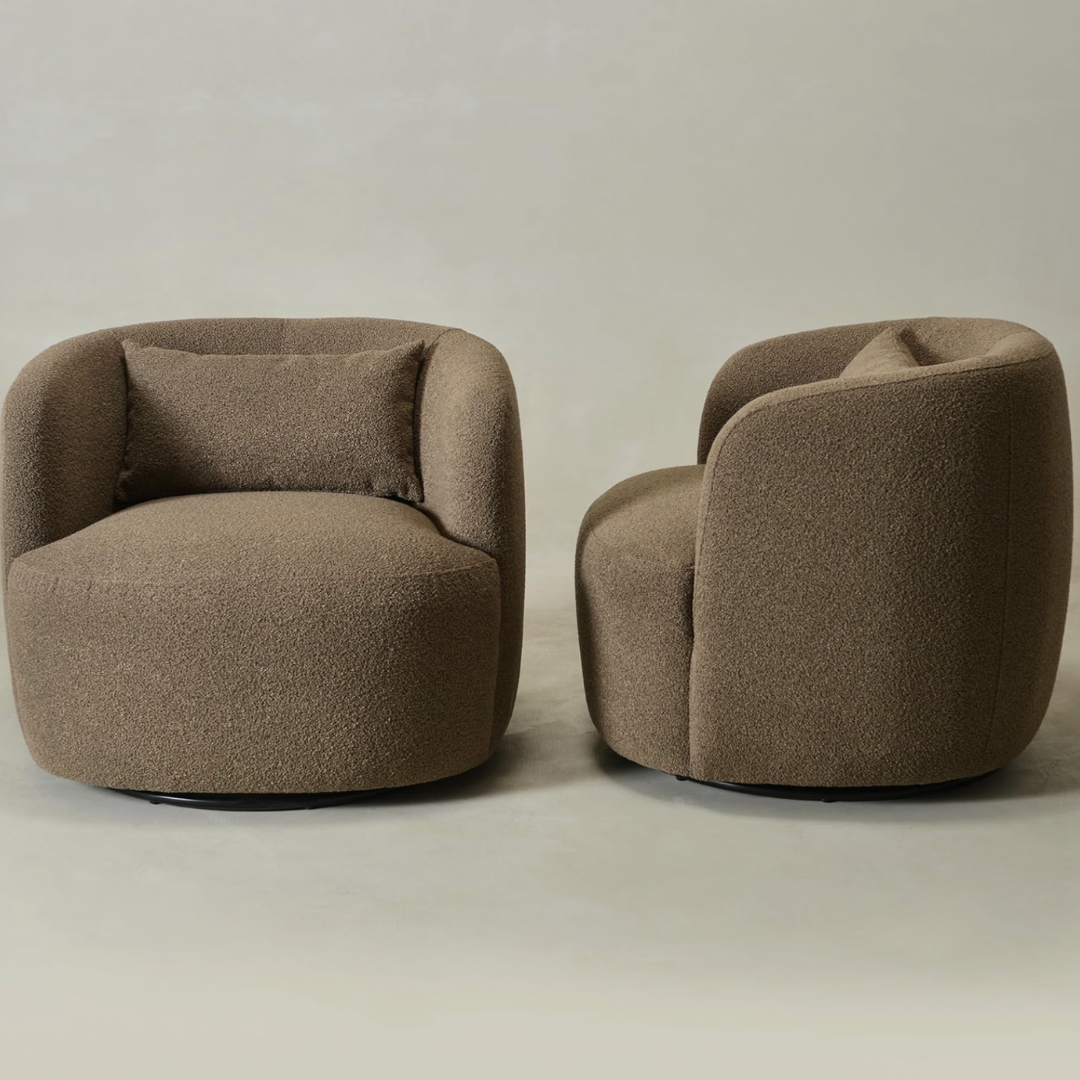
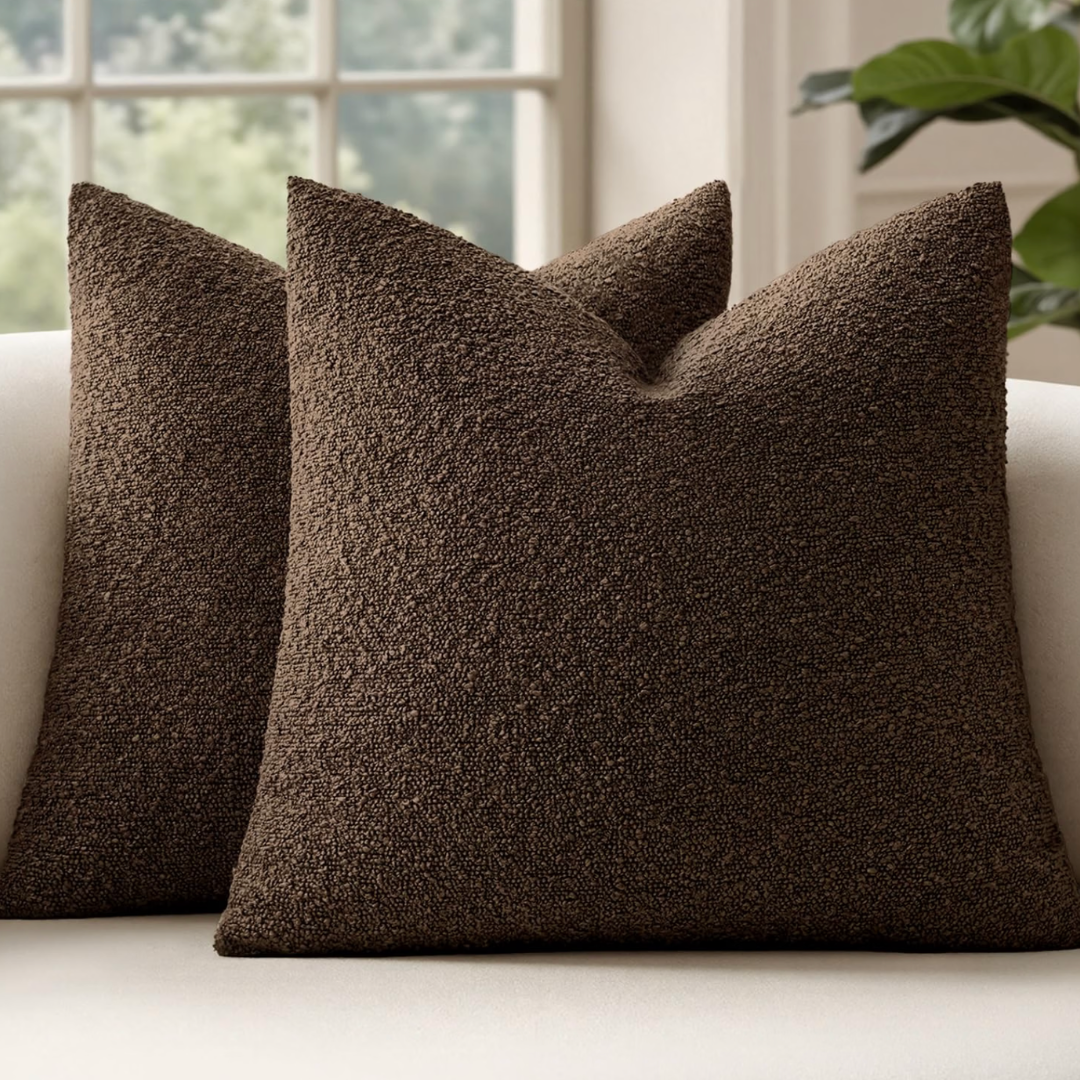
Wool and bouclé. A chunky wool throw or a bouclé cushion makes even the simplest sofa instantly inviting.
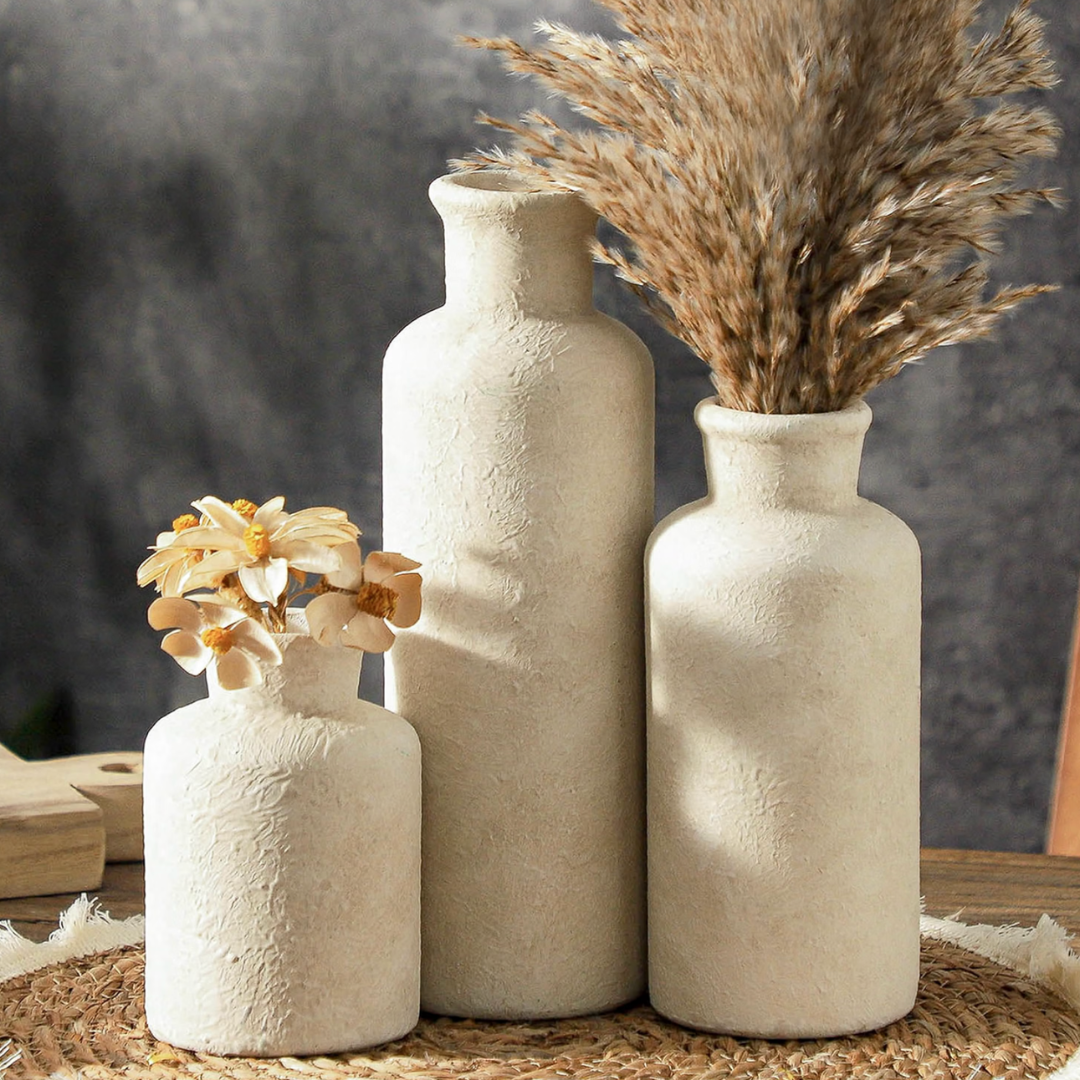
Stoneware and ceramics. Matte, slightly irregular vases and bowls bring an earthy, handmade quality.
Greenery. A trailing pothos or a single olive branch adds life without adding clutter.
I keep the decor colors grounded in cream, oatmeal, and honey-toned wood, then allow one deeper accent, like a mustard velvet sofa or a black iron floor lamp, to give the room a point of view.
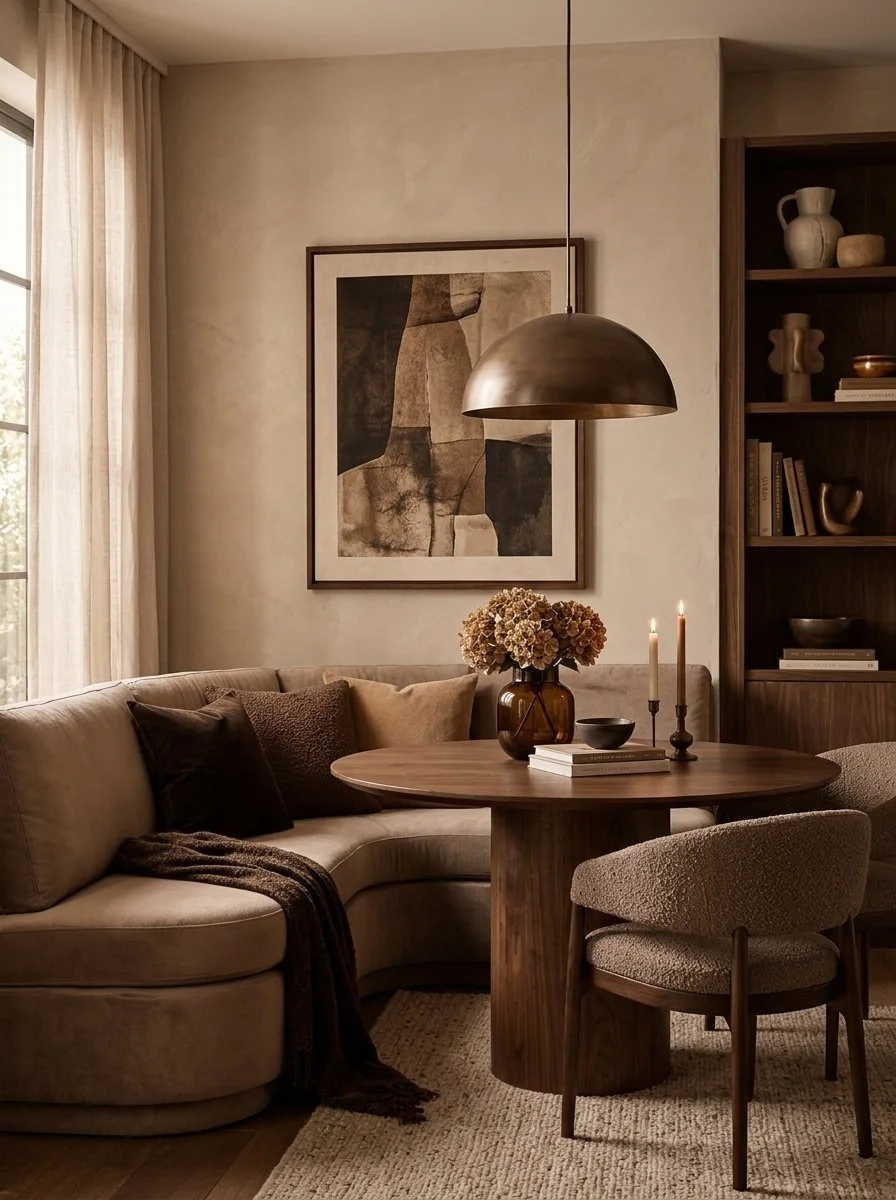
Minimalist Home Decor Ideas That Add Softness
Once the materials are set, decorating becomes a question of placement and restraint. These are the minimalist home decor ideas I return to again and again, because each one adds comfort without adding visual noise.
Create One Place to Curl Up
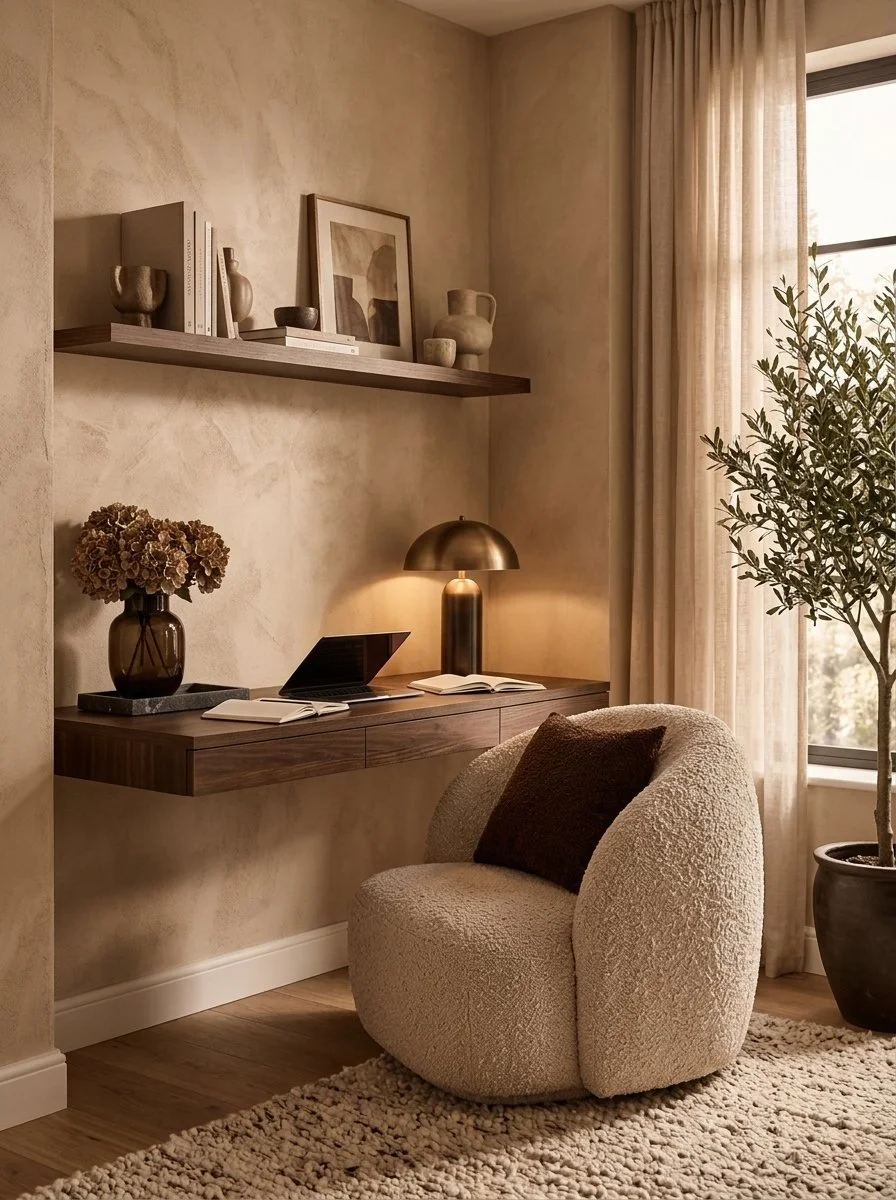
A rounded accent chair, a papasan with a thick cream cushion, or a deep armchair by the window gives the room a clear invitation to sit down. Add a throw and a small side table for a cup of tea, and the corner becomes a reason to stay home.
Ground the Room With a Textured Rug
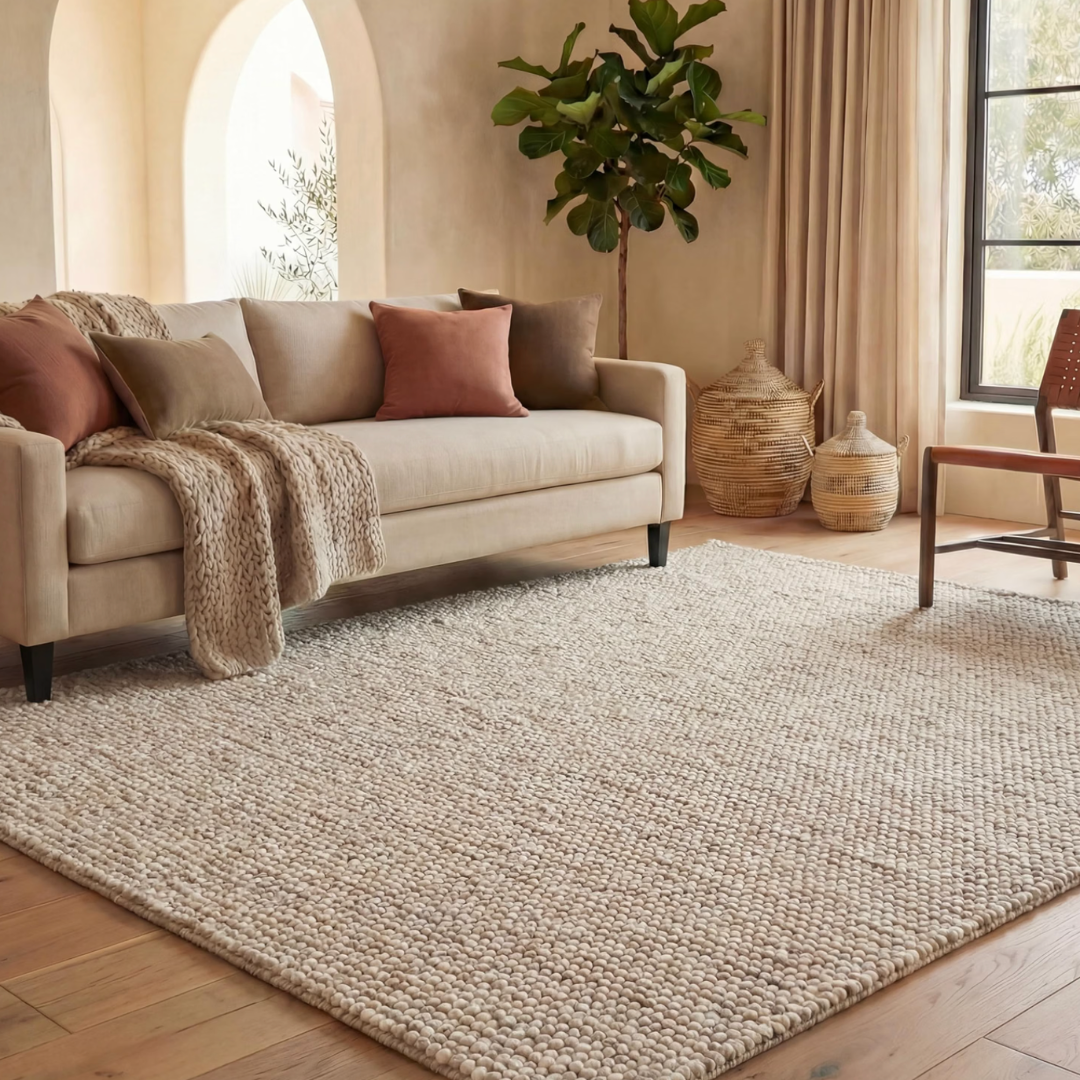
A large rug in jute, wool, or a soft natural weave anchors the seating and makes the room feel warmer underfoot. I prefer one generous rug over several small ones, since it keeps the floor calm and the layout clear.
Style Open Shelves With Breathing Room
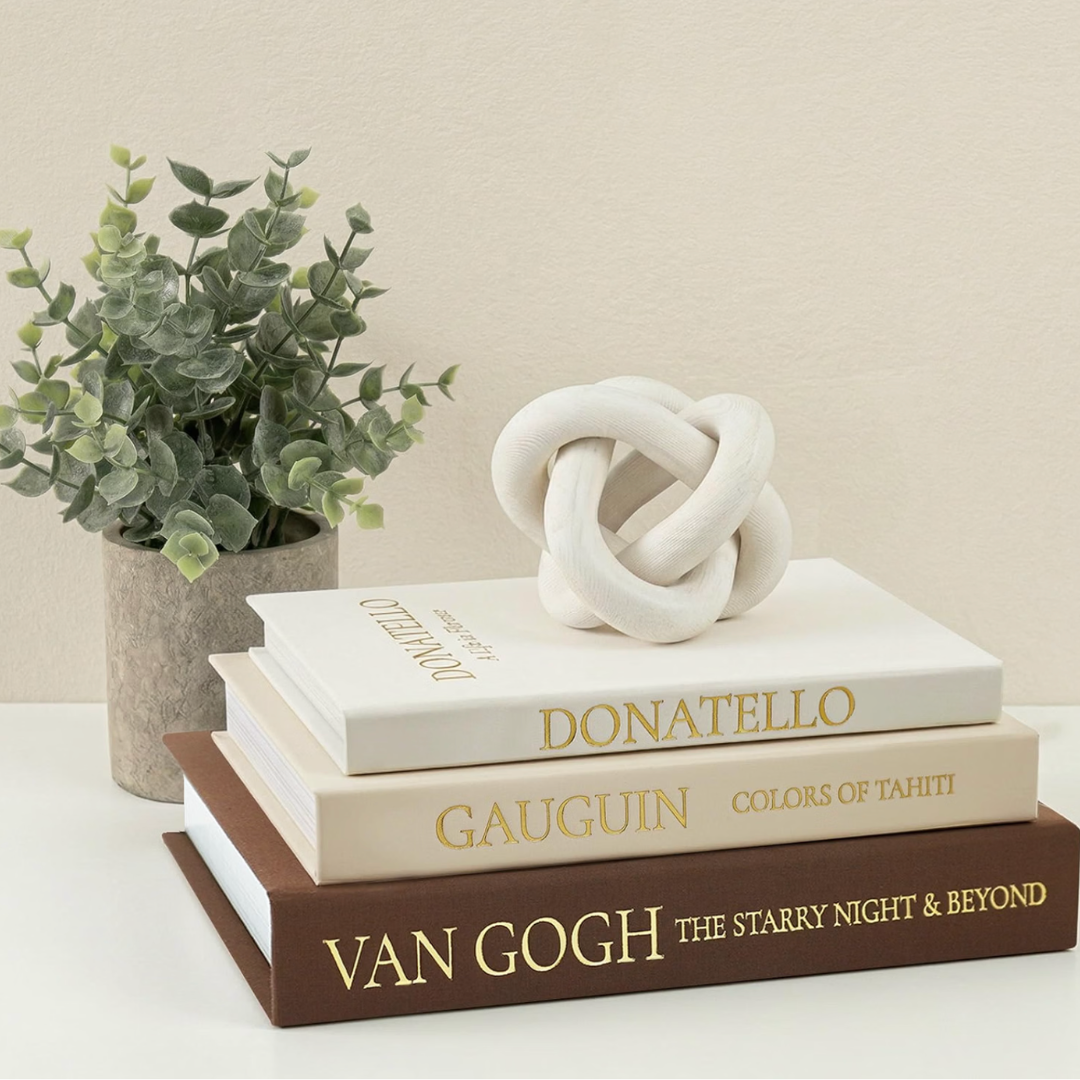
Open wooden shelves are lovely in a minimal home when each shelf holds only a few things: a short stack of books, a ceramic vase, a small plant, with space in between. The empty space becomes part of the display.
Choose One Meaningful Artwork
A single large piece above the sofa or leaning on a sideboard gives the wall a focal point. I love abstract art in earthy tones with a touch of black or gold, because it adds depth while the rest of the room stays quiet.
Group Ceramics in Small Clusters
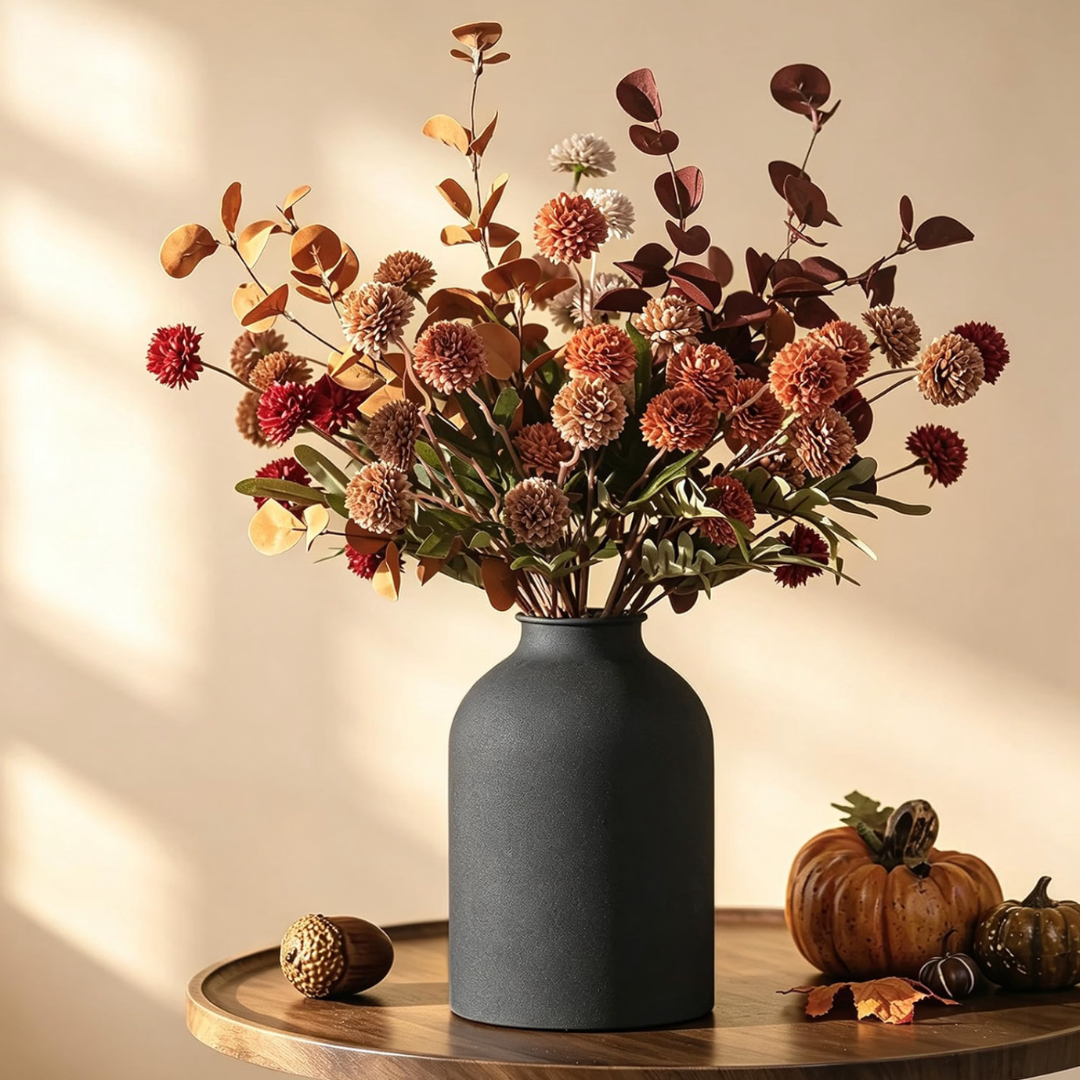
Two or three vases of different heights, all from the same material family, look intentional on a coffee table or console. A single dried branch or a few green stems is all they need.
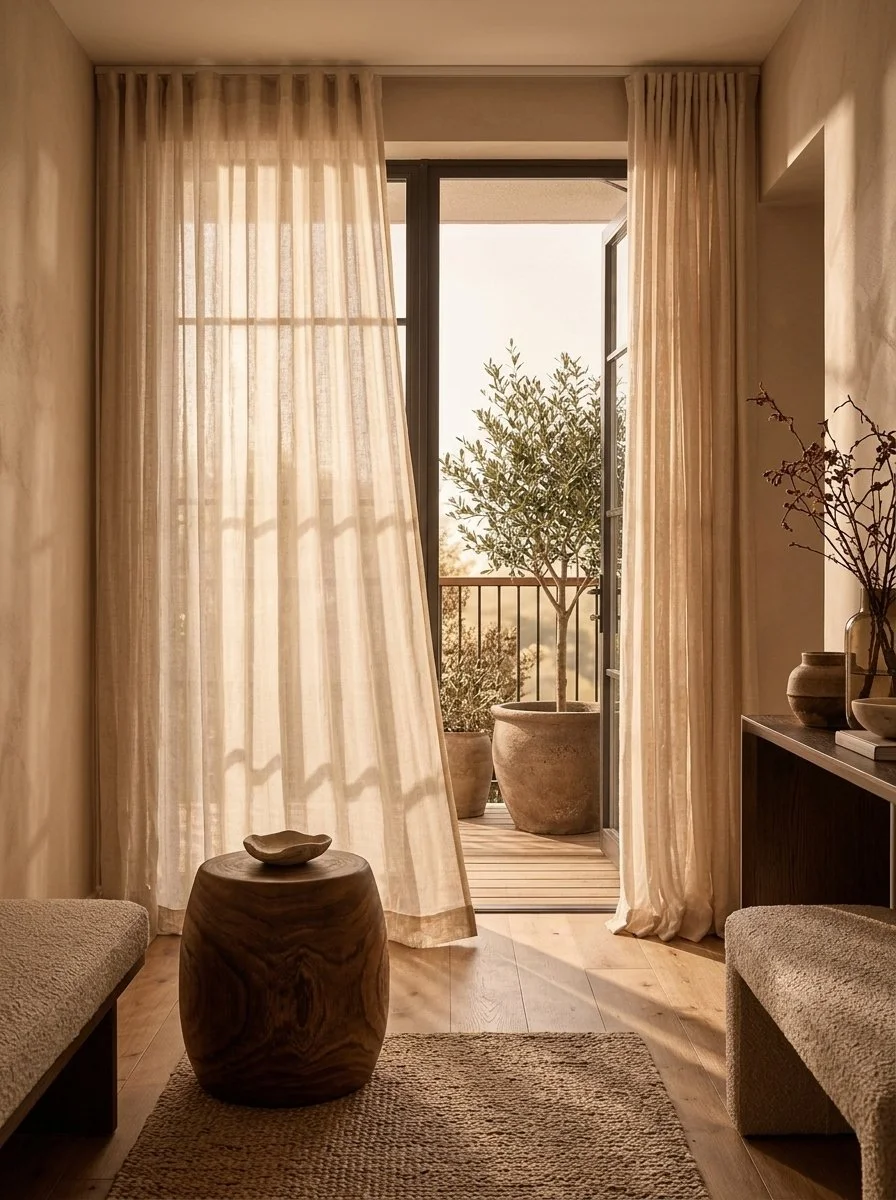
Minimal Home Decor Ideas for Light and Atmosphere
Light is where a minimal home becomes cozy. The same room can feel entirely different at night depending on how it is lit, and when I switch off the ceiling light and turn on three or four warm sources at different heights, the space softens into a refuge.
These are the minimal home decor ideas for lighting I love most:
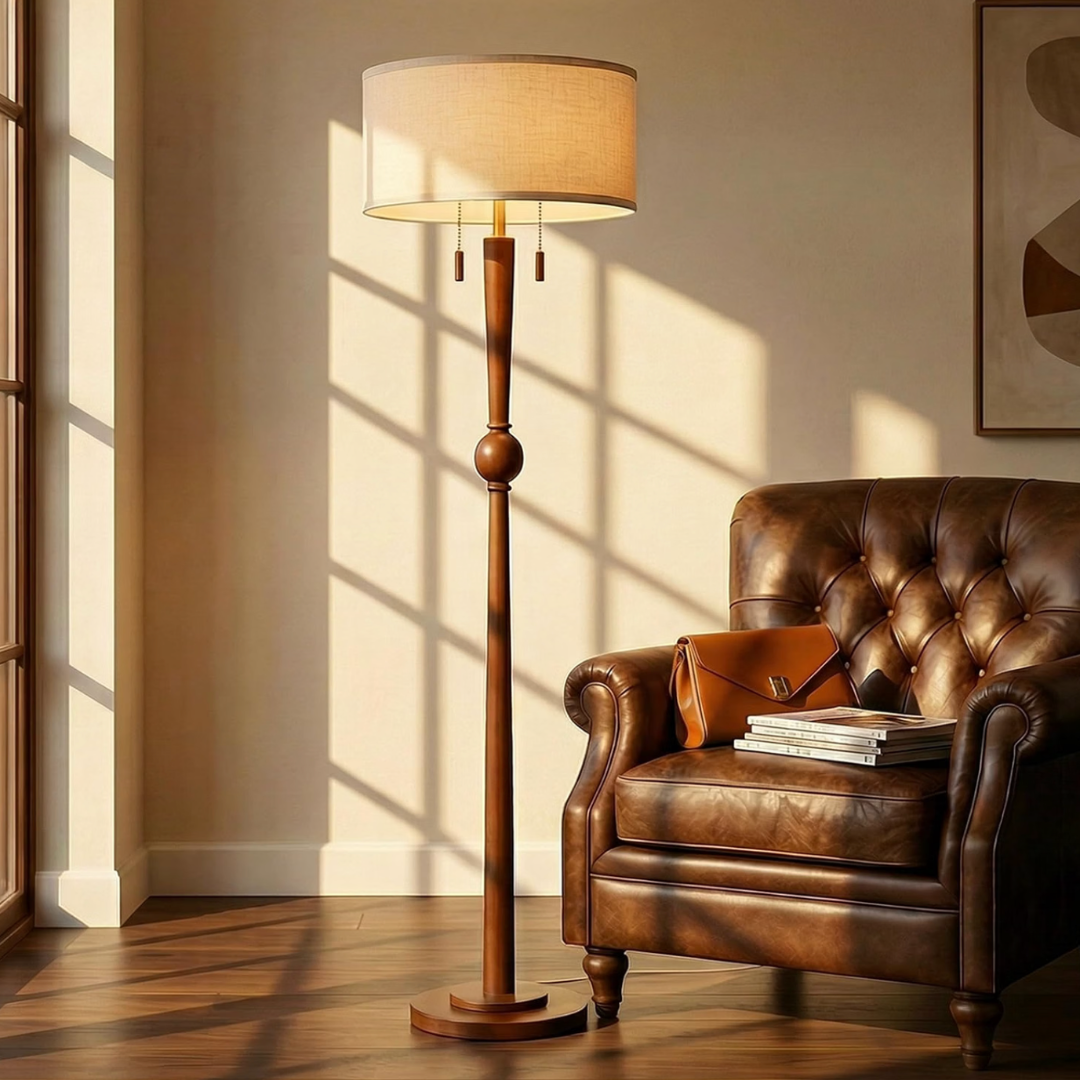
A floor lamp with a linen or paper shade next to the reading chair
A ceramic or stone table lamp on a sideboard or console
Warm white bulbs, around 2700 Kelvin, for a soft golden glow
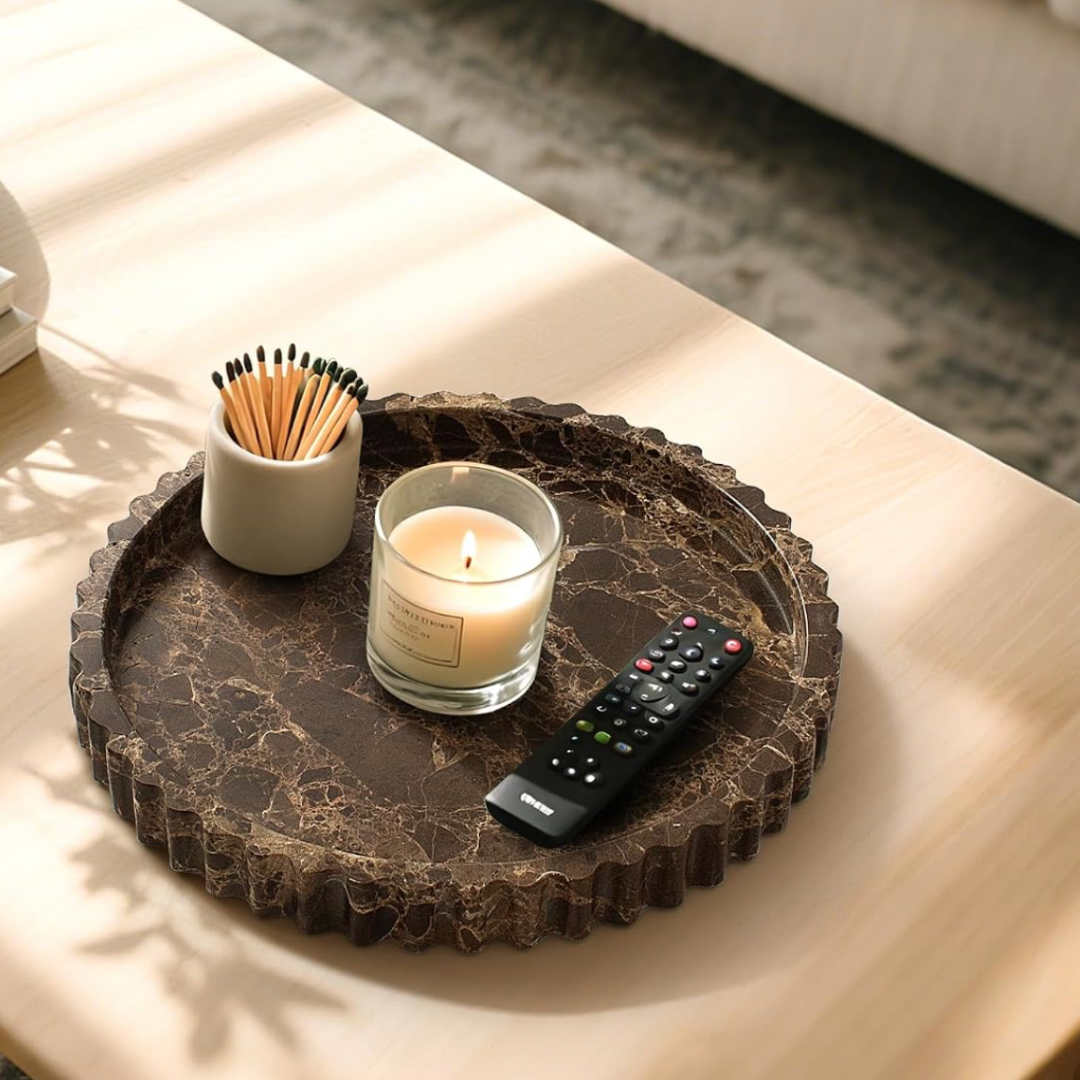
Candles in simple holders, grouped on a tray or a windowsill
Sheer curtains that diffuse daylight into a gentle wash during the day
In winter, candles sit on almost every surface in my home. They are the easiest way to bring atmosphere into a minimal space, because a flame adds movement and warmth while taking up almost no visual room.
How to Keep a Minimalistic Home Aesthetic Lived In
A minimalistic home aesthetic is meant to be lived in, not just admired. The rooms I love most leave space for the rituals that make a day feel good, and the decor quietly supports them.
Give your rituals a home. My knitting lives in a woven basket next to my chair, so the project becomes part of the room instead of something tucked away.
Keep a surface free for gathering. Every winter my family works on at least one big puzzle, and guests who come by for coffee often stay for hours to help. A clear table makes that kind of evening possible.
Hide the everyday, display the chosen. Closed cabinets and lidded baskets hold the practical things, so open surfaces show only what you have chosen to see.
Swap instead of adding. When the seasons change, I trade a few textiles and stems rather than bringing in more objects. The room feels fresh, and the calm stays intact.
If you are the one who loves staying in, my [INTERNAL LINK: Christmas Gifts for the Homebody] guide gathers more cozy pieces for slow evenings at home.
Shop My Minimal Home Decor Picks
These are the pieces I would choose to bring a cozy minimalist home together, from the seating to the softest finishing touches.
Cozy Minimalist Home FAQ
-
Focus on natural materials, soft textiles, and warm, layered light. Keep the number of objects low and let each piece add texture or comfort: a wool throw, a linen curtain, a wooden side table, a lamp with a fabric shade.
-
The way I see it, natural minimalist style centers on organic materials like wood, stone, linen, and plants, while cozy minimalist style puts comfort first through soft seating, textiles, and warm light. They blend beautifully, and most of my favorite rooms are a mix of both.
-
Start with light and one textile. A warm floor lamp and a good throw change how a room feels in a single evening, and they help you see what else the space truly needs.
AI Disclosure: The room images in this post are AI-generated to visualize the concept, and the writing was drafted with AI assistance and edited by me before publishing.
Affiliate Note: Some links in this post are Amazon affiliate links, and I earn a small commission on qualifying purchases at no extra cost to you.