I once stayed at a dinner until two in the morning, not because I was having a wonderful time, but because I couldn't find a natural moment to leave. The host kept offering more wine, more stories, more reasons to stay. What should have been a lovely evening became something I needed to escape.
Since then, I've thought carefully about how to end an evening. Not just when, but how. The close matters as much as the welcome. It's the last thing people carry with them.
Creating the Arc
I've learned to think of an evening as having a natural shape. There's the rise, the plateau, and then the descent. The descent isn't a failure. It's part of the rhythm. Fighting it by trying to keep energy high only makes everyone tired.
I watch for the signs that we're entering the final phase. Conversations become quieter, more reflective. People start gathering their things even if they're not ready to leave yet. Someone mentions the time, not as a complaint, but as an observation. These are signals, not problems.
The Soft Transition
When I sense the evening winding down, I stop offering more. No more wine, no more food, no more reasons to extend. This isn't being inhospitable. It's being attentive to the room's actual needs rather than what I think should happen.
Instead, I start creating small closures. I might begin clearing the table, not frantically, but methodically. I might turn down the music slightly. These actions give people permission to start thinking about leaving without feeling like they're being pushed out.
Reading the First Exit
The first person to say they need to go is doing everyone a favor. I've learned to make their exit easy. I don't protest or try to convince them to stay longer. I walk them to the door, thank them genuinely, and let them leave.
What usually happens next is interesting. Once one person leaves, others often follow within fifteen minutes. The first departure breaks the seal. It gives everyone else permission to acknowledge they're ready to go too.
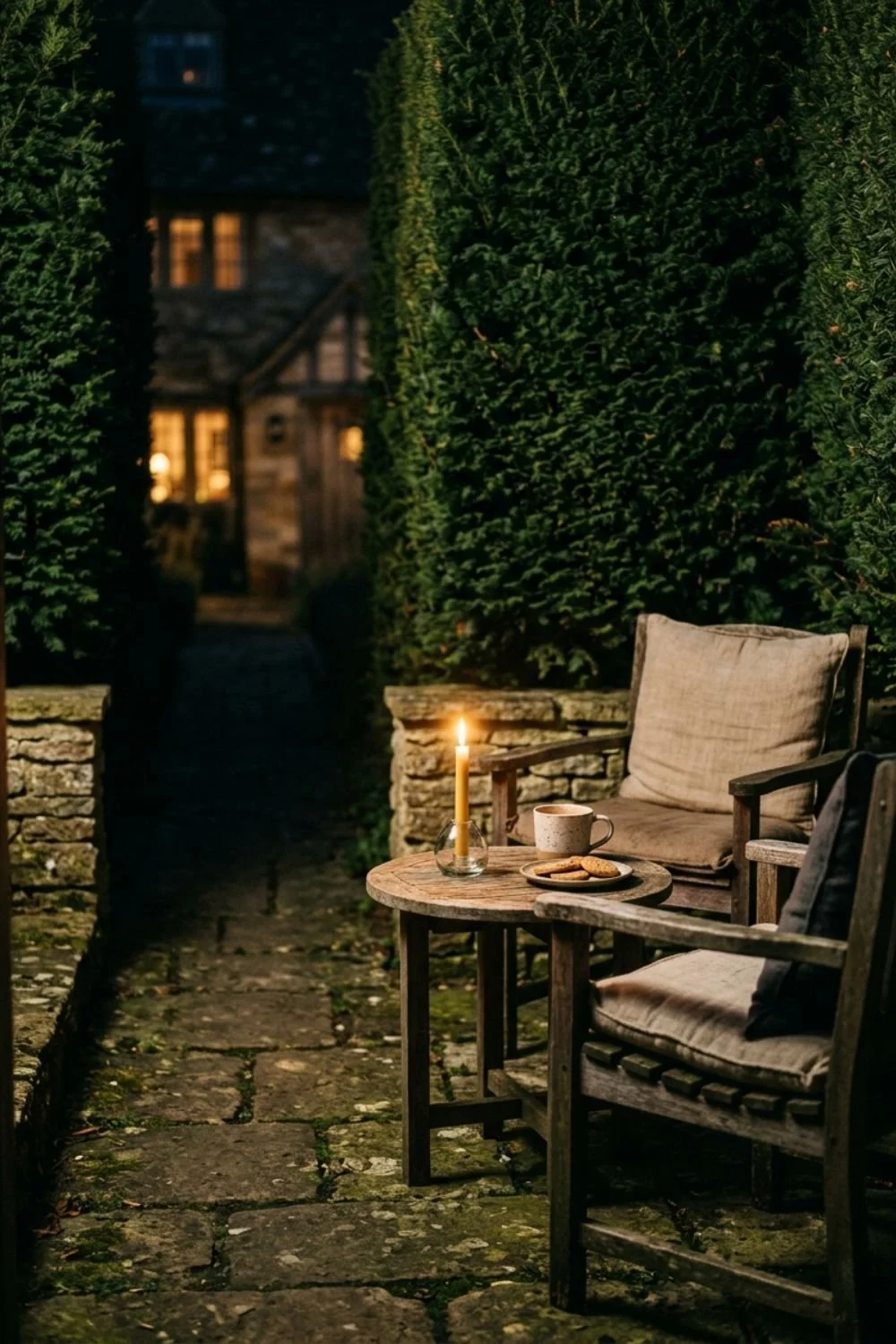
The Doorway Conversation
There's often a conversation that happens at the door as people are leaving. Someone remembers one more thing they wanted to say. Another story surfaces. A plan for next time gets made.
I used to try to keep these brief, worried about keeping other guests waiting or the evening dragging on. Now I let them unfold. These doorway moments are often where the most honest exchanges happen. People are transitioning back to themselves, to their lives outside your home. They're grateful and reflective. I give this space.
The Clean Break
Sometimes, though, you need to end things more definitively. When it's late, when energy is truly gone, when people are staying out of politeness rather than desire.
In these cases, I'm direct but warm. I might say something like, this has been wonderful, and I think we're all ready to call it a night. I stand up, start gathering glasses, signal clearly that we're moving toward the end. Most people are relieved.
The Next Day
I like to send a brief message the next day. Nothing elaborate, just a thank you for coming, a reference to a moment from the evening, maybe a photo if one was taken. This closes the loop. It says the evening mattered, that I'm glad they were there.
This follow-up also gives people a chance to reciprocate. They might mention something they enjoyed, or make that plan for coffee we talked about at the door. The evening doesn't end when people leave. It ends when the final acknowledgment is exchanged.
What Makes a Good Ending
The best endings leave people wanting slightly more rather than feeling they've stayed too long. There's an art to closing while the energy is still warm, before fatigue sets in.
People should leave feeling satisfied, not exhausted. Grateful for the time spent, not relieved it's over. This balance requires paying attention and being willing to end things even when they're going well.
A graceful ending honors both the evening and the people who shared it. It acknowledges that everything, even the best nights, needs to conclude. And it does so with the same care given to the welcome.
Disclaimer: AI-assisted writing applied.