My Approach to the "Resolved" Evening
There's a particular quality to certain gatherings that I've found hard to name. It's not about perfection or formality. It's something quieter. The conversation flows without anyone working too hard at it. People settle into their seats. No one checks their phone or glances toward the door. The evening has a kind of completeness to it, like a well-edited room.
I've started calling this the "resolved" evening.
What Resolution Actually Means
When I talk about a resolved evening, I'm borrowing from design language. A resolved space is one where every element has found its proper place. Nothing is straining for attention. Nothing feels arbitrary. The same principle applies to hosting.
A resolved evening happens when the structure is so well considered that it becomes invisible. Your guests don't notice that you've thought about the lighting, the pacing, or where people will set their drinks. They just feel comfortable.
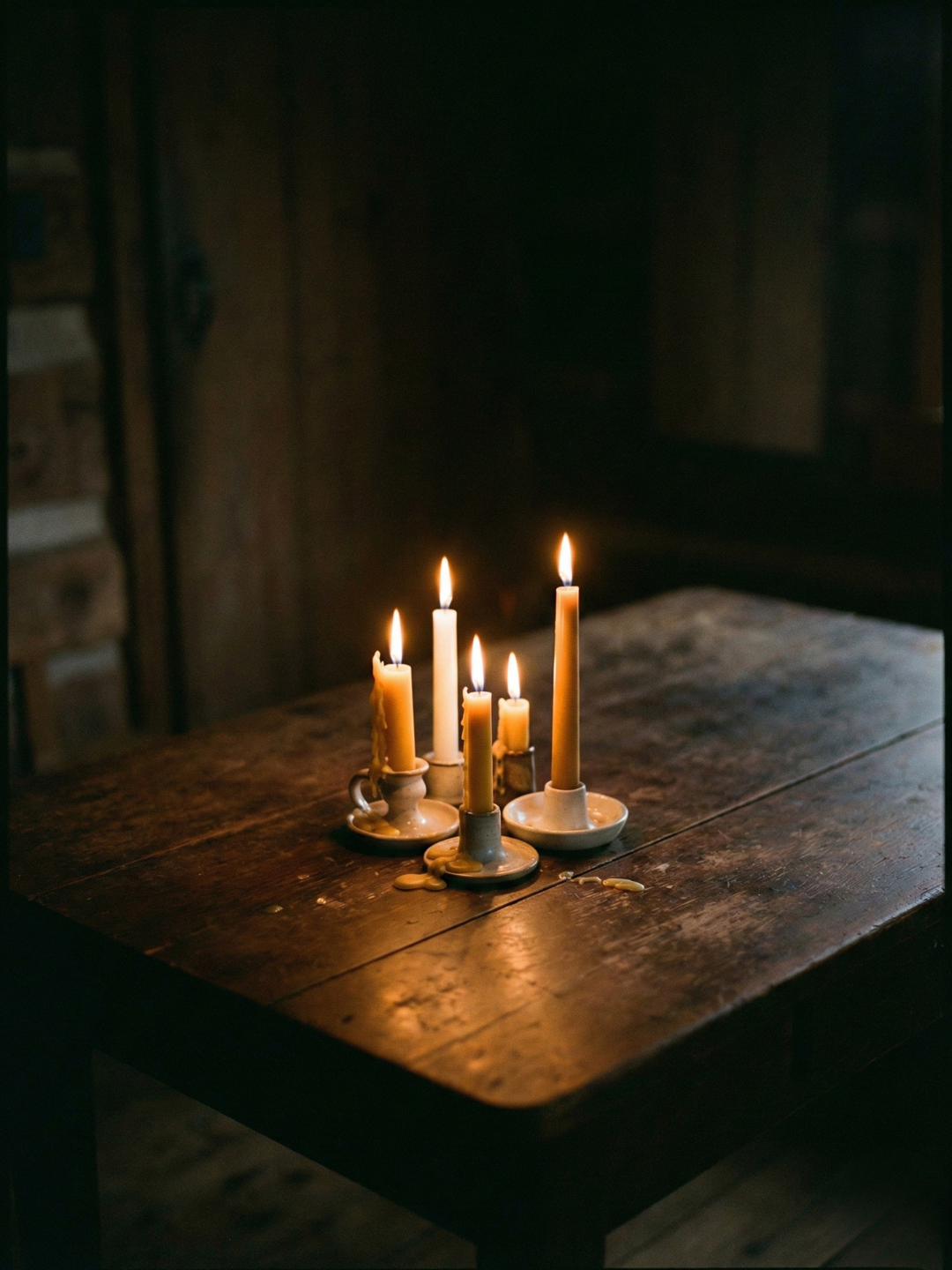
Last month, I had six people over for dinner. The menu was simple: roasted chicken, winter greens, good bread. But I'd spent the afternoon arranging the table, adjusting the candles, testing the playlist volume. By the time people arrived, I could sit down and be present. The evening took care of itself.
The Three Anchors of a Resolved Evening
Spatial Logic
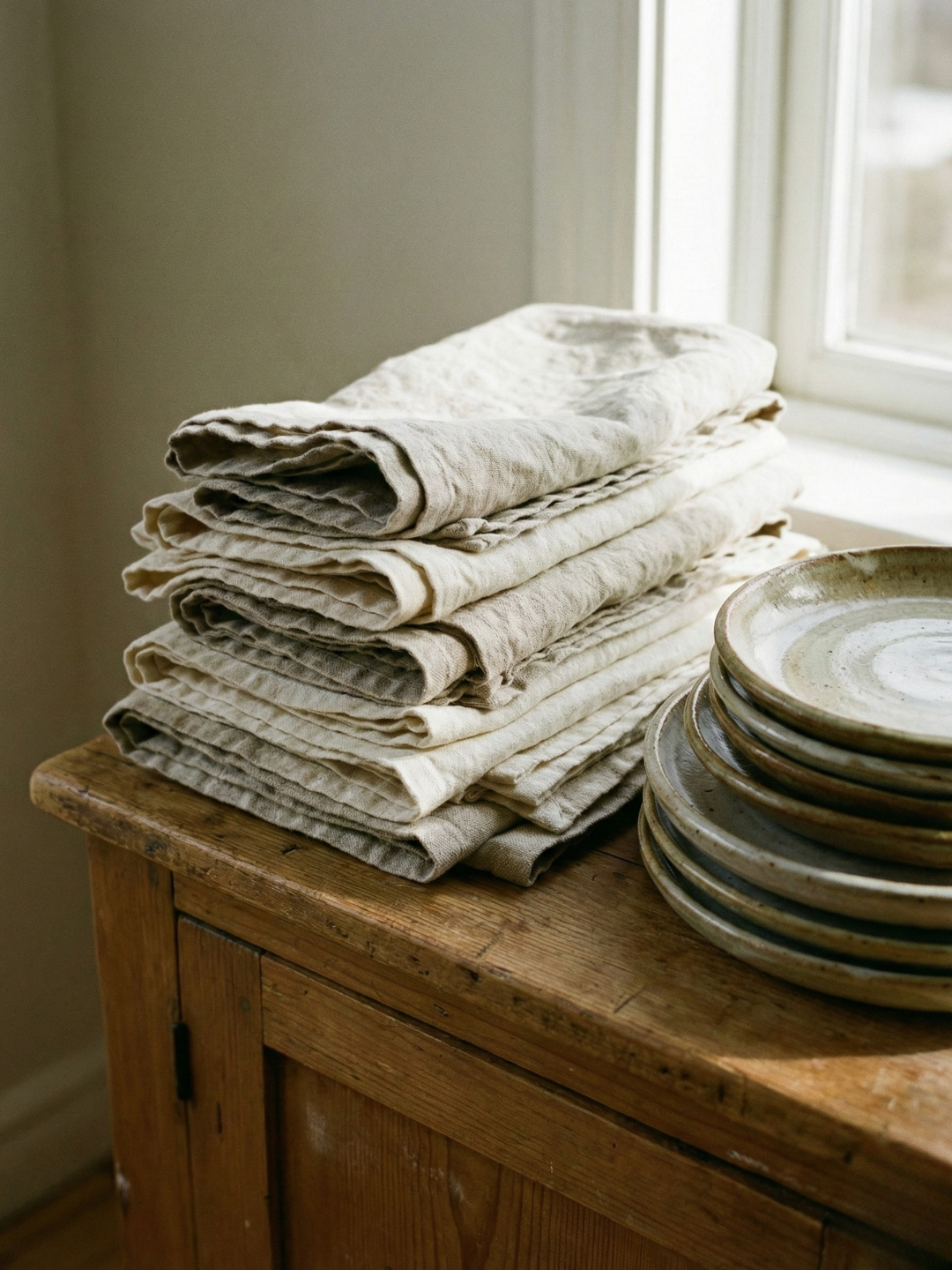
The physical environment does more work than we give it credit for. I arrange seating so that conversations can naturally split and reform. If I'm serving drinks first, I make sure there are surfaces at hand height. Small bowls of almonds. A place for coats that isn't the back of a chair.
These aren't entertaining "tips." They're just observations about how people move through space.
Temporal Structure
A resolved evening has a rhythm. There's a moment when people arrive and acclimate. A shift when we sit down to eat. A slower phase afterward when the conversation deepens or lightens, depending on the group.
I don't script this, but I do think about it. If I know dinner will take ninety minutes, I plan the preceding hour accordingly. I make sure there's a natural endpoint, even if no one takes it.
Atmospheric Consistency
This is where my background in interiors becomes useful. An evening is like a room: it needs a coherent palette. I don't mean just the visual elements, though those matter. I mean the overall tone.
If I'm hosting a casual Friday dinner, I don't serve a seven-course tasting menu. If I want a slow, conversational evening, I don't invite twelve people. The format matches the intention.
What Success Looks Like
I know an evening has resolved when I notice the quality of attention in the room. People are listening to each other, not just waiting to speak. Someone asks a real question. The laughter feels genuine, not performative.
There's also a practical measure: I'm not in the kitchen all night. A resolved evening doesn't require constant intervention. The host is part of the gathering, not stage-managing it.
The Role of Curation
Curation isn't about control. It's about creating the conditions for something good to happen. I think about what this particular group of people might enjoy. I consider what I can offer without strain.
Sometimes that means a simple pasta dinner with excellent wine. Sometimes it's afternoon tea with a few close friends. The scale doesn't matter. What matters is that the parts are in proportion.
I've found that the most memorable evenings aren't the ones with the most elaborate setup. They're the ones where nothing feels effortful. Where the host is relaxed enough to enjoy their own gathering.
That's what I'm after: the kind of evening that feels both intentional and easy. The kind where, when everyone leaves, the house settles back into itself without disorder. Where the cleanup is minimal because the structure was sound from the start.
A resolved evening isn't a formula. It's a sensibility. And like any sensibility, it develops through practice and attention. Through noticing what works and what creates friction. Through learning to edit.