Balancing Intentionality with Ease in Hosting
I used to over-prepare for gatherings. The table would be set hours in advance. I'd have three backup desserts. A contingency playlist. By the time guests arrived, I was already exhausted.
The irony is that all that effort made the evening feel more tense, not less. People could sense I was working too hard. They'd offer to help, which threw off my carefully orchestrated plan. The whole thing had a brittleness to it.
I've since learned that the best hosting happens in the space between careful planning and apparent effortlessness. The preparation is real, but it's mostly invisible.
The Invisible Preparation
When I have people over now, I do the bulk of the work in the days before. Not the cooking, necessarily, but the thinking.
I consider the flow of the evening. Where people will gather when they first arrive. What they'll drink. Whether the conversation will happen standing or sitting, and when that shift might occur.
I also think about what I can prepare ahead. A vinaigrette that improves with time. Vegetables prepped and ready to roast. Dessert that just needs to be plated. This isn't about elaborate make-ahead recipes. It's about removing small decisions from the actual evening.
The goal is to have nothing left to do that requires my full attention. I want to be able to talk to someone while I'm tossing a salad. To pour wine without losing the thread of a conversation.
The Day-Of Approach
On the day itself, I keep my tasks simple and sequential. I clean the living room first, then move to the dining area, then the kitchen. I light candles about thirty minutes before people arrive. I put on music that sets the right tone but won't need adjusting.
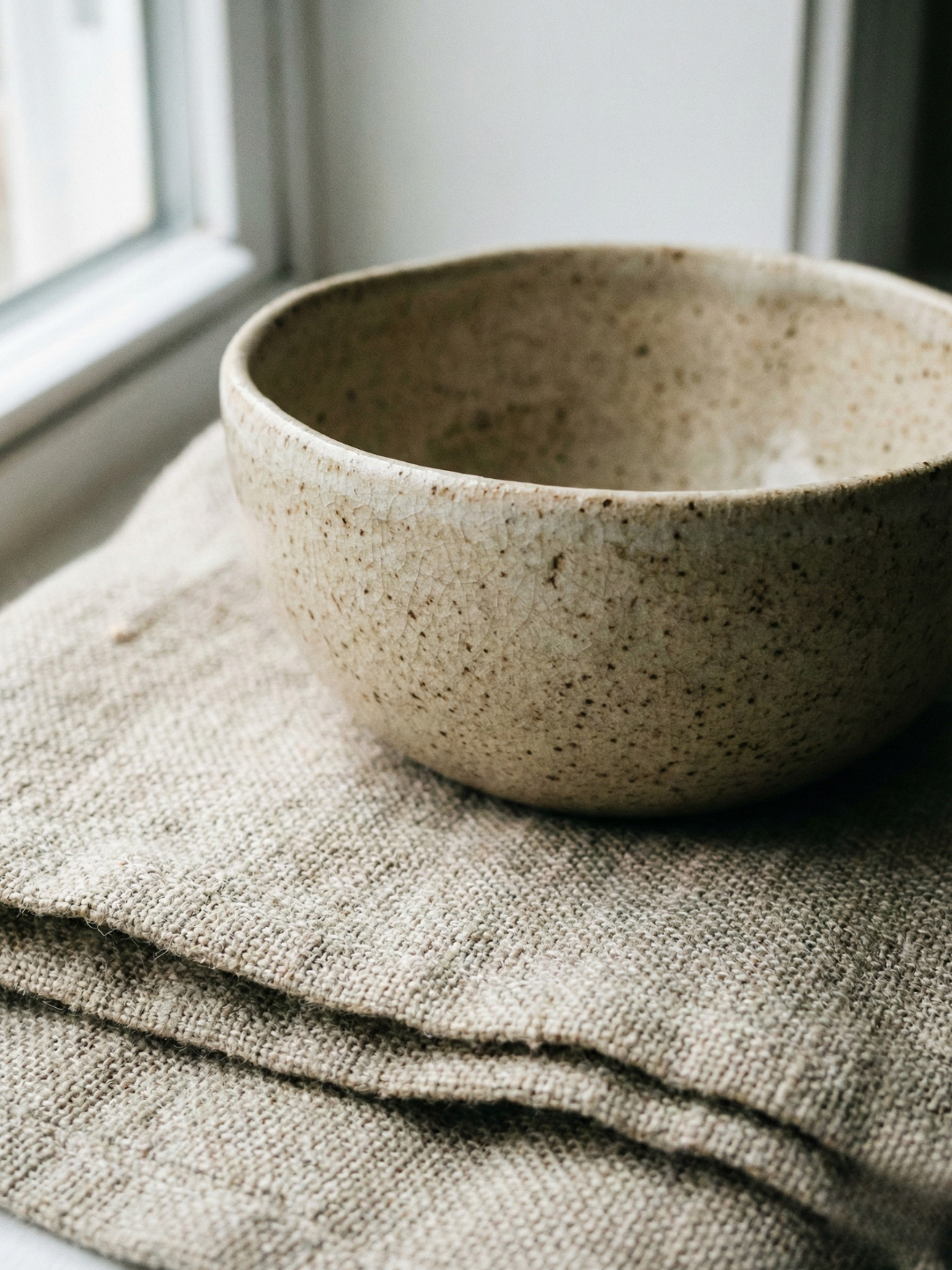
I've learned to leave certain things deliberately casual. A stack of linen napkins on the counter, not pre-folded at each place. Serving dishes that people can pass themselves. Small gestures that signal this is a gathering, not a production.
The table gets set, but not fussily. I use what I have. Good plates, simple glassware, maybe one considered element like a low arrangement of branches or a collection of candlesticks. The look is pulled together but not precious.
What I Don't Do
I don't cook anything I haven't made before. An evening with guests is not the time to test a complicated technique. I choose dishes I can make well, almost without thinking.
I don't create a detailed timeline. I have a rough sense of when things need to happen, but I'm not watching the clock. If the roast needs another fifteen minutes, that's fine. Conversation can stretch.
I don't worry about having everything perfectly matched. Mismatched vintage glasses are more interesting than a complete set. Different chairs around a table create a more relaxed feeling than strict symmetry.
The Art of Strategic Decisions
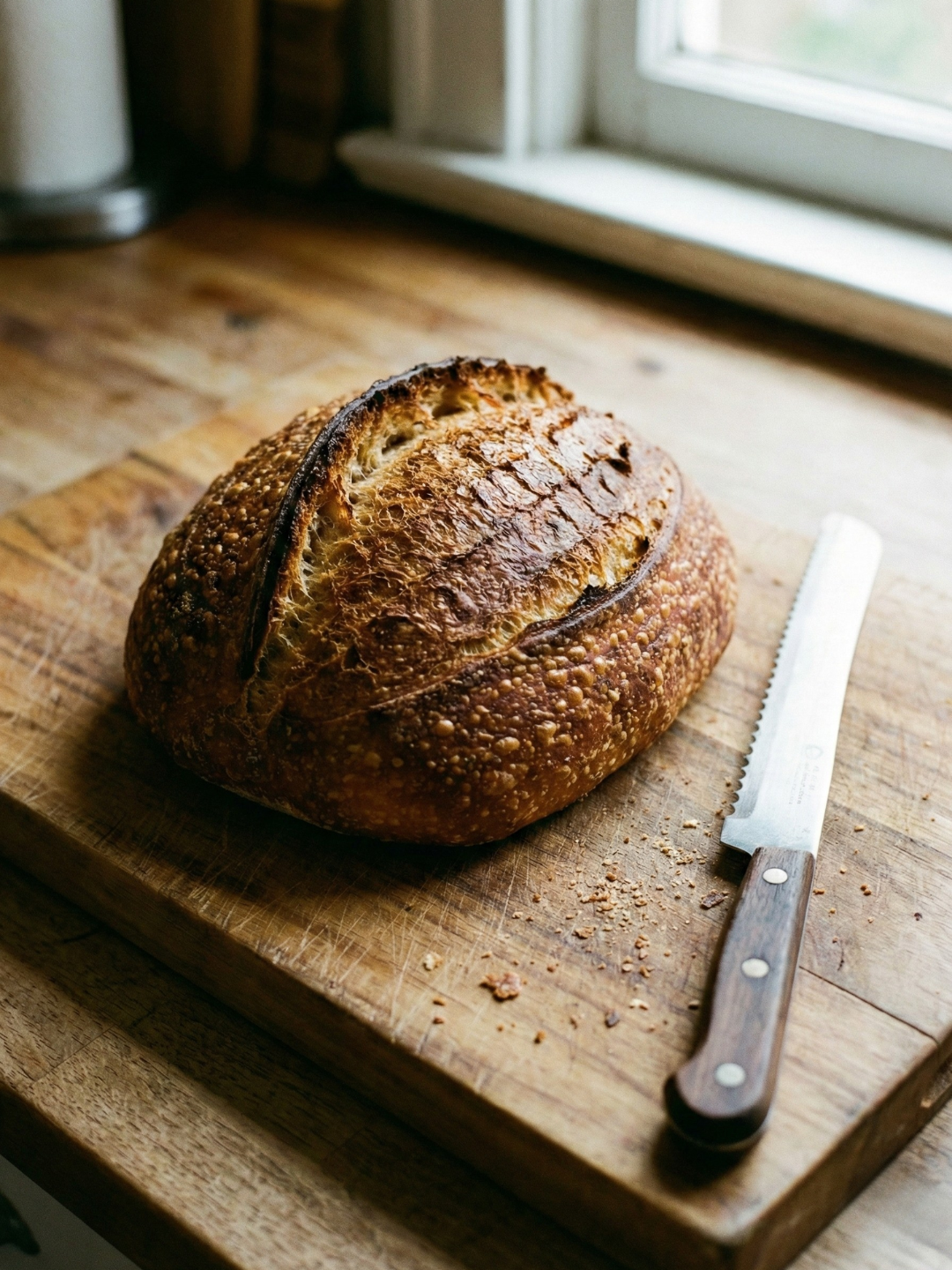
The real skill is in knowing where to focus your energy. I care deeply about certain elements: good bread, quality wine, proper lighting. Other things matter less. Store-bought dessert is fine if the rest of the meal is strong. Paper napkins are fine if the food is excellent.
This is personal, of course. What feels essential to me might be different for you. But the principle is the same: choose your focal points and let everything else be easy.
Last weekend, I had four friends over for lunch. I made one pot of soup the day before, bought good cheese and bread the morning of, and set out apples from the market. We ate at the kitchen table with my everyday dishes. The whole thing took minimal effort, but it felt considered.
The conversation lasted three hours. No one was rushing. I wasn't distracted by things that needed tending. The simplicity of the setup allowed the gathering itself to be the focus.
The Mental Shift
The shift from over-preparation to intentional ease requires trusting that less can be more. That a simple meal served without stress is better than an elaborate one served with anxiety.
It also requires accepting that not everything will go exactly as planned. Someone might arrive early. The bread might not be quite warm. A glass might get knocked over. These are not failures. They're just part of having people in your home.
I've found that guests are far more forgiving than we imagine. What they remember isn't whether the napkins were pressed or the garnish was perfect. They remember how they felt. Whether the atmosphere was warm. Whether they could relax.
Building Your Own System
The invisible preparation I do works for me because I've developed it over time. I know my kitchen. I know what I can pull off without stress. I know which shortcuts feel acceptable and which feel like compromise.
Your version will look different. Maybe you're comfortable with more complexity in the menu. Maybe you prefer even less structure. The point is to find your own balance between intention and ease.
I keep a running note of what works. A simple menu that was universally loved. A setup that made the evening feel spacious. Small observations that I can draw on next time.
Hosting well isn't about following rules. It's about understanding your own capacity and working within it. About being honest with yourself about what you can handle while still being present.
The best evenings happen when the effort is front-loaded and then forgotten. When the structure is there, quietly supporting everything, but never announcing itself.