The Aesthetics of Social Connection
I've noticed something about the relationship between interior spaces and how people behave in them. It's not just that a beautiful room makes people feel good. It's more specific than that. The physical environment actively shapes the quality of interaction.
A room with low seating and soft lighting invites a different kind of conversation than a bright kitchen with bar stools. The height of a table, the proximity of chairs, the acoustic qualities of the space all influence how people relate to each other.
This isn't accidental. And once you start paying attention to it, you can use it intentionally.
The Geometry of Conversation
I learned this first from observing where conversations naturally happened in my own home. The kitchen island, where people stood at different angles, generated quick, energetic exchanges. The living room sofa, where people sat lower and closer, led to longer, more personal talks.
Neither is better. They're just different modes of connection.
When I'm thinking about a gathering, I consider which mode I want to encourage. For a dinner party where I want sustained conversation, I use a proper dining table with chairs that support sitting for hours. For a more fluid evening where I want people to mix and move, I create multiple zones at different heights.
The same group of people will interact differently depending on the spatial setup. I've seen it happen.
Light and Mood
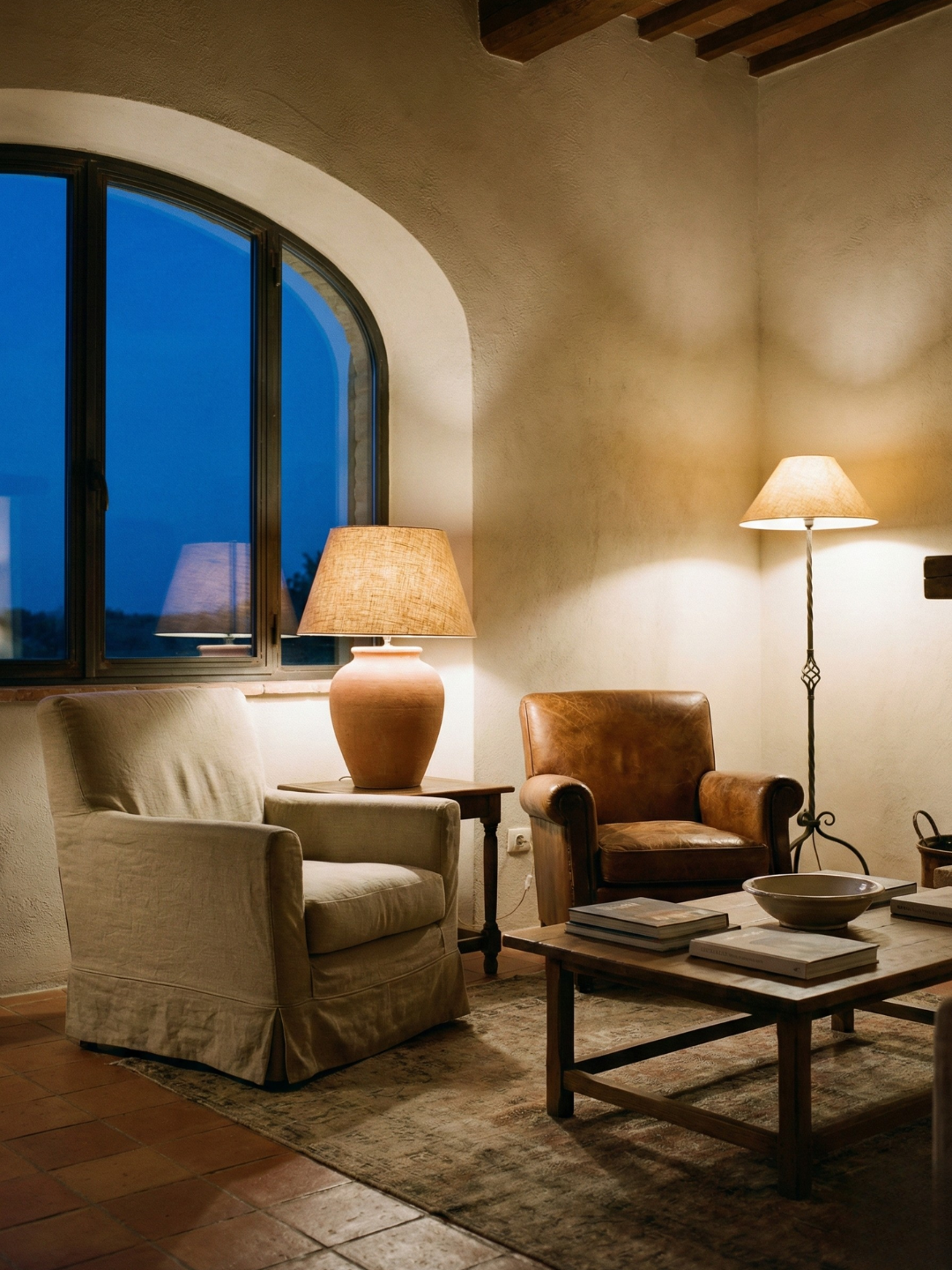
Lighting might be the most powerful tool for shaping atmosphere. Harsh overhead light creates a certain guardedness in people. They're more aware of being seen. Softer, lower light from multiple sources creates privacy even in a shared space.
I use a lot of candles, but not for decoration. I use them because they change how people feel. The warm, moving light is forgiving. It makes everyone look good. It also creates small pools of illumination that give the evening a sense of intimacy.
In winter, I light the fireplace. The focal point draws people together without forcing it. They arrange themselves in a loose arc facing the fire, and conversation happens naturally across that curve.
During longer evenings, I adjust the lighting as the mood shifts. Brighter when people first arrive. Lower as dinner progresses. This isn't theatrical. It's just responding to the natural rhythm of a gathering.
Texture and Touch
I'm increasingly interested in the tactile dimension of hosting. The weight of a wine glass. The feel of linen under your hands. The temperature of a ceramic bowl.
These details register unconsciously, but they shape experience. Heavy, quality objects slow people down. They handle things more carefully. Lighter, more casual pieces create a different energy.
I notice that when I use beautiful tableware, people comment on it. This isn't about showing off. It's that the objects themselves become conversation starters. Someone picks up a vintage plate and asks where I found it. Someone else notices the unusual shape of a serving dish.
The physical environment gives people something to talk about beyond small talk. It provides texture, literally and conversationally.
The Role of Color
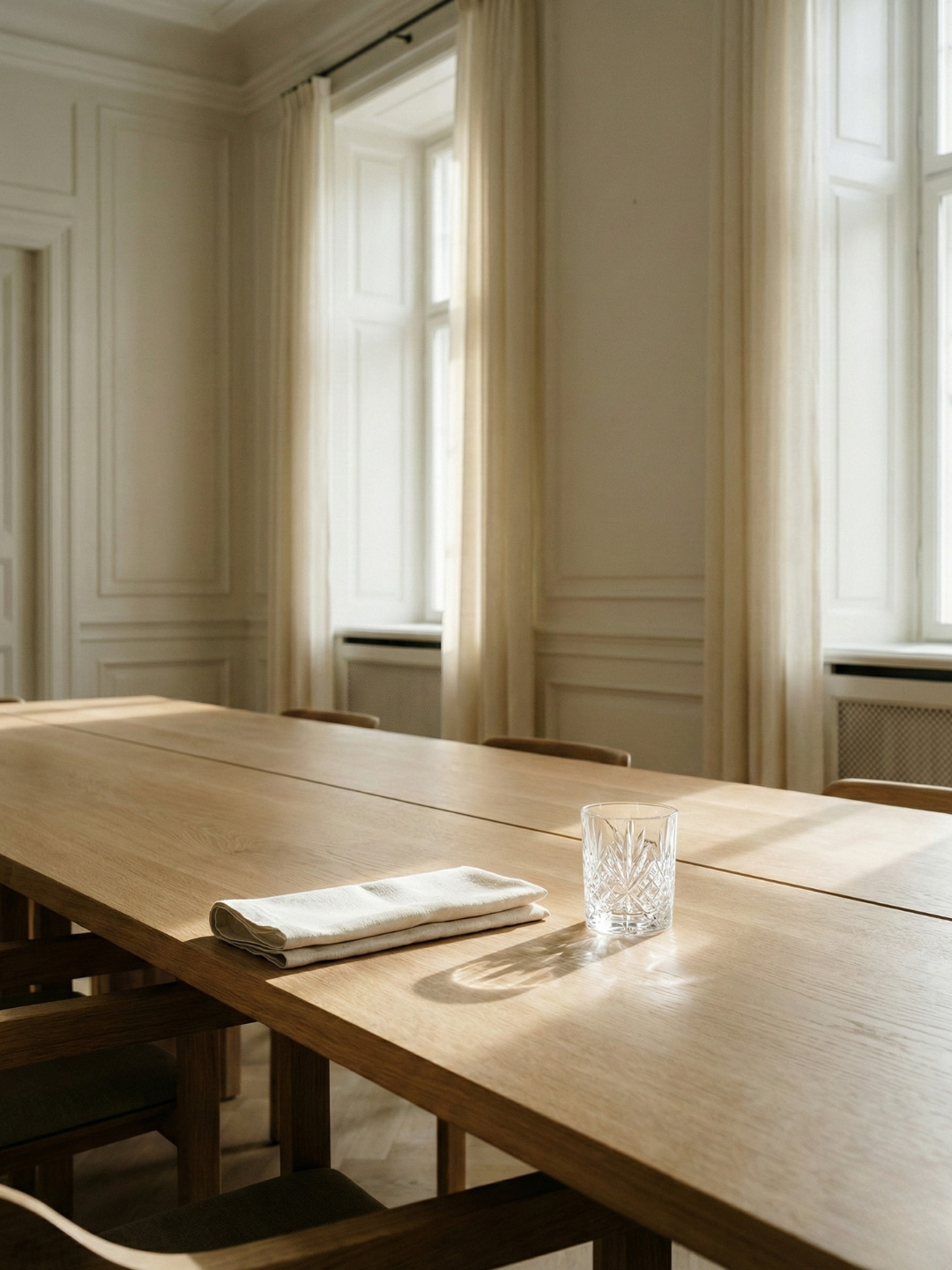
Color affects mood in ways that are well documented but still underused in hosting. A table set with white and cream is calm, almost meditative. The same table with deep blues and greens feels richer, more evening-appropriate.
I think about color in terms of coherence. If the room has warm, earthy tones, I extend that into the table setting. Not matching exactly, but harmonizing. This creates a visual continuity that feels settled.
I've also learned that neutral doesn't mean boring. A palette of whites, grays, and natural wood can be incredibly sophisticated. It allows other elements, like food and flowers, to stand out.
Acoustic Considerations
This is something I didn't think about initially, but it matters. Hard surfaces reflect sound. Too many of them in one space and conversation becomes work. People have to raise their voices. They get tired.
I've added textiles strategically: a large rug, linen curtains, upholstered chairs. These absorb sound and create better acoustics for talking. The difference is subtle but real.
Music also plays a role here. I keep it low enough that it's atmospheric rather than dominant. It fills silence without competing with conversation. The genre matters less than the volume and tone.
Scale and Proportion
The size of a gathering should match the size of the space. Six people in a small dining room feels intimate. The same six people in a large, open space can feel scattered.
I've learned to work with the proportions of my rooms. If I'm hosting a larger group, I use the open living and dining area and let people spread out. For smaller gatherings, I choose more contained spaces that bring people closer together.
There's also the proportion of objects to space. A large, dramatic arrangement on a small table feels overwhelming. A tiny vase on a long dining table can look lost. I aim for balance.
The Influence of Style on Behavior
I've noticed that minimal, refined spaces tend to make people more conscious of their own presence. They sit more upright. They're slightly more formal, even if unintentionally.
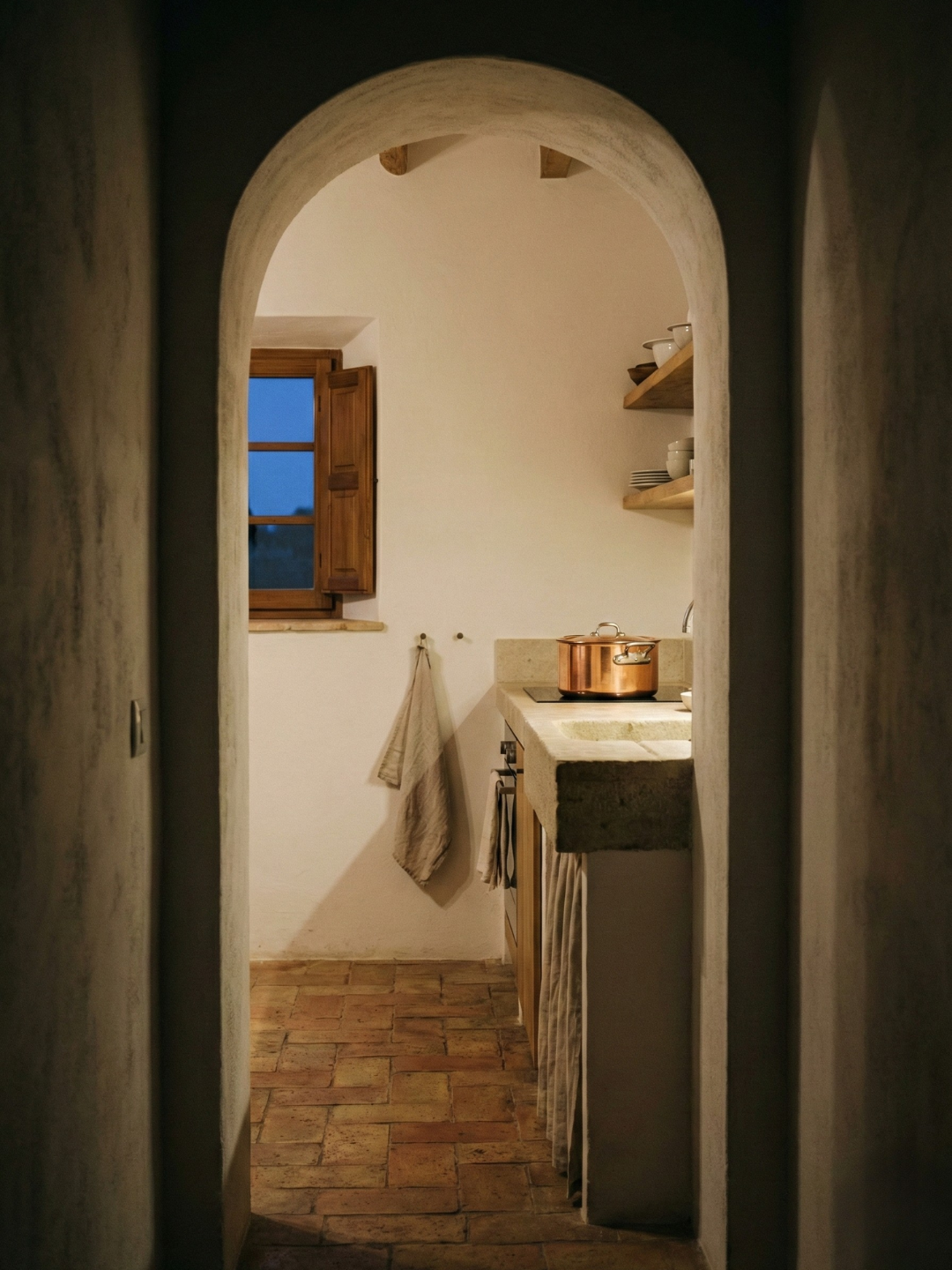
Spaces with more warmth and patina invite relaxation. People kick off their shoes. They curl up on the sofa. The environment gives them permission to be comfortable.
Neither is wrong. It's just something to be aware of. If I want a gathering to feel relaxed and easy, I add warmth: throws, cushions, softer edges. If I want something more elevated, I edit back to cleaner lines and fewer objects.
Creating Zones
In my home, I've created distinct zones for different types of interaction. The dining table is for focused conversation over food. The living room is for lounging and longer talks. The kitchen is for standing, helping, being in motion.
When people come over, they naturally gravitate to different zones at different points in the evening. After dinner, someone might move to the sofa. Someone else might stay at the table. The space allows for both.
This flexibility keeps the energy moving. It prevents the gathering from feeling static or forced.
The Personal Element
All of this works best when it reflects your actual taste. A space that feels borrowed or staged doesn't create genuine connection. People respond to authenticity.
I use what I love. Books I've actually read. Art I've chosen over time. Objects that have stories attached to them. This creates layers that people can discover and ask about.
The aesthetics of social connection aren't about following rules. They're about understanding how physical space shapes experience, and then using that understanding to create the kind of evenings you want to have.
The room is never just a backdrop. It's an active participant in what happens there.