My Rule of Restraint in Interior Design
I used to think a well-curated room meant having all the right things. The perfect vase, the ideal coffee table book, the ceramic bowl I'd been hunting for months. But somewhere along the way, I realized the rooms I returned to in my mind weren't the ones filled with beautiful objects. They were the ones that had space to breathe.
Restraint isn't about deprivation. It's about clarity. It's the difference between a room that announces itself and one that simply exists, confidently.
What Visual Clutter Actually Is
Visual clutter isn't just mess. It's the accumulation of objects that compete for attention without adding meaningful value to a space. Three decorative pillows on a sofa can be intentional. Eight feels like you're trying too hard.
I learned this the hard way in my first apartment. I'd collected vintage brass candlesticks from flea markets, and I loved each one individually. But when I displayed all twelve on my mantel, the effect was chaotic. Not because they were poorly made, but because there was no hierarchy. Every piece demanded equal attention, which meant nothing stood out.
Visual clutter dilutes style. It makes it harder to see what you actually have and what you're trying to communicate about the space.
The Categories of Clutter
Not all clutter looks the same. I've identified a few categories that tend to accumulate without us noticing.
Sentimental Overload
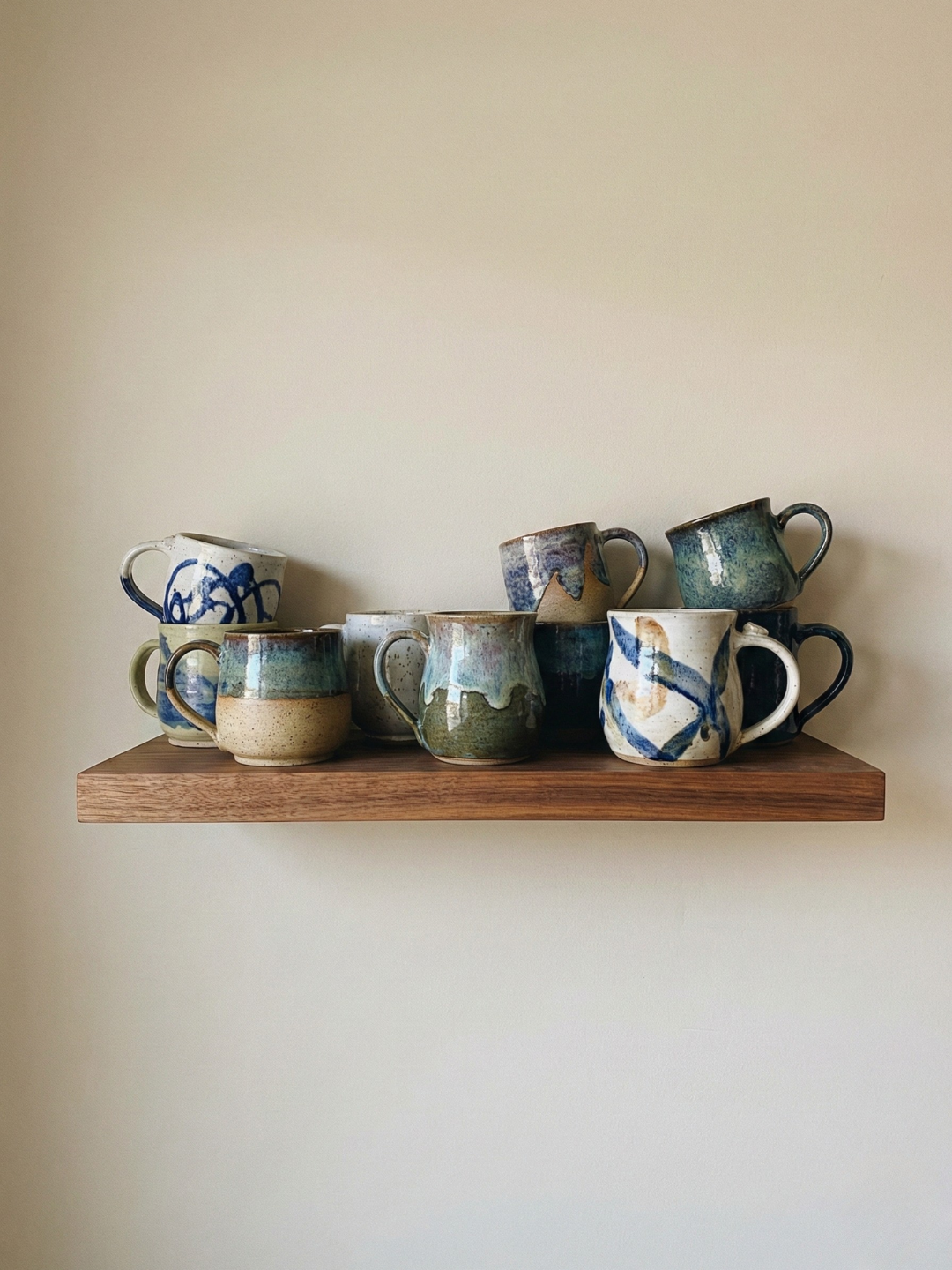
Objects tied to memories are the hardest to edit. The ceramic bowl from your grandmother. The print your friend made. The souvenir from a trip that changed your life. These things matter, but that doesn't mean they all need to be on display simultaneously.
I keep sentimental items, but I rotate them. A few pieces are visible at any given time, while the rest live in storage. This keeps them special rather than turning them into background noise.
Aspirational Decor
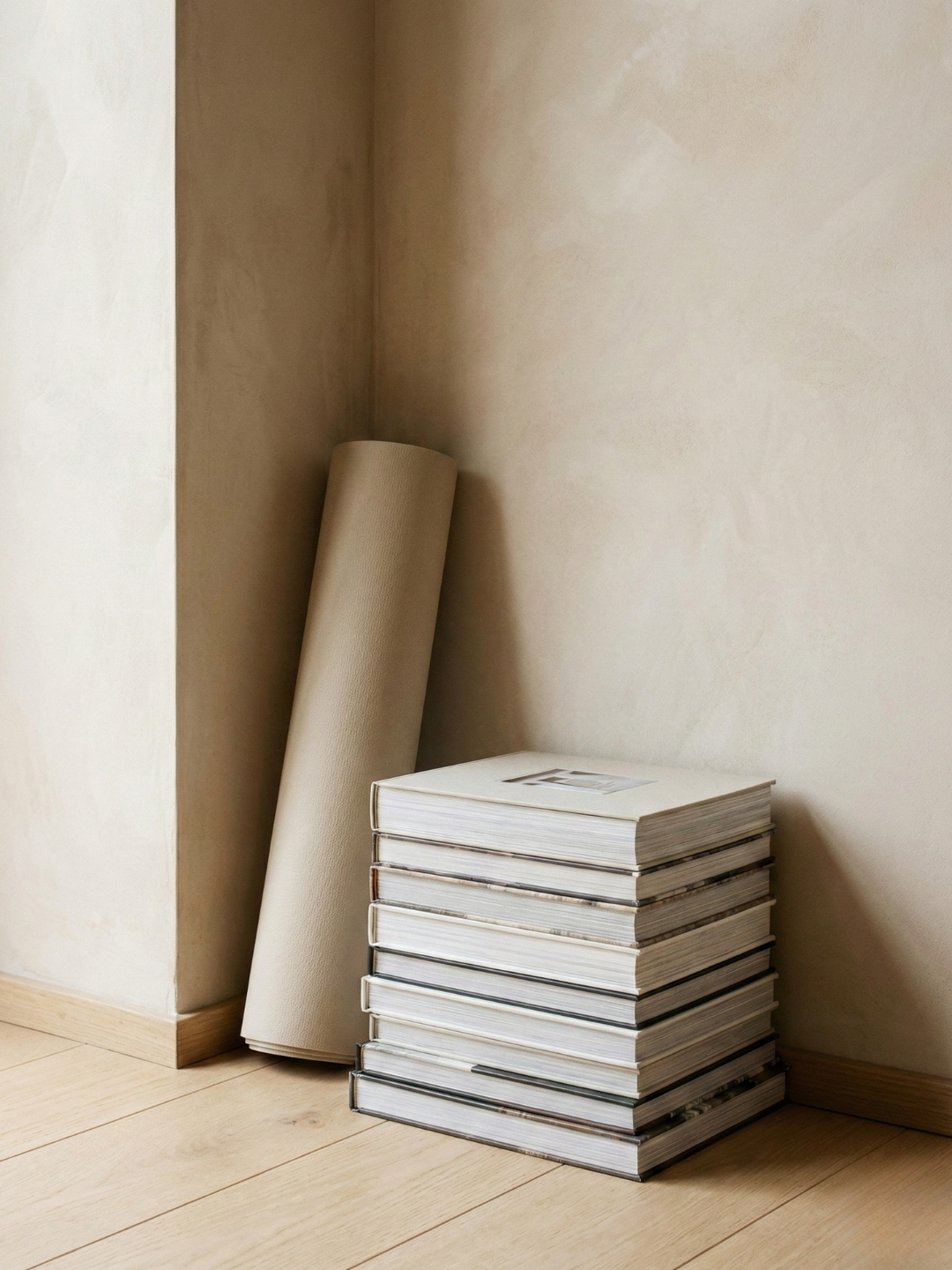
These are the things you bought because they represented the person you wanted to be. The yoga mat permanently rolled in the corner. The espresso machine you used twice. The stack of art books you haven't opened.
Aspirational objects can clutter a space because they carry guilt. Every time you see them, you're reminded of the habit you didn't form or the skill you didn't develop. Removing them isn't giving up. It's acknowledging what actually fits your life right now.
Decorative Redundancy
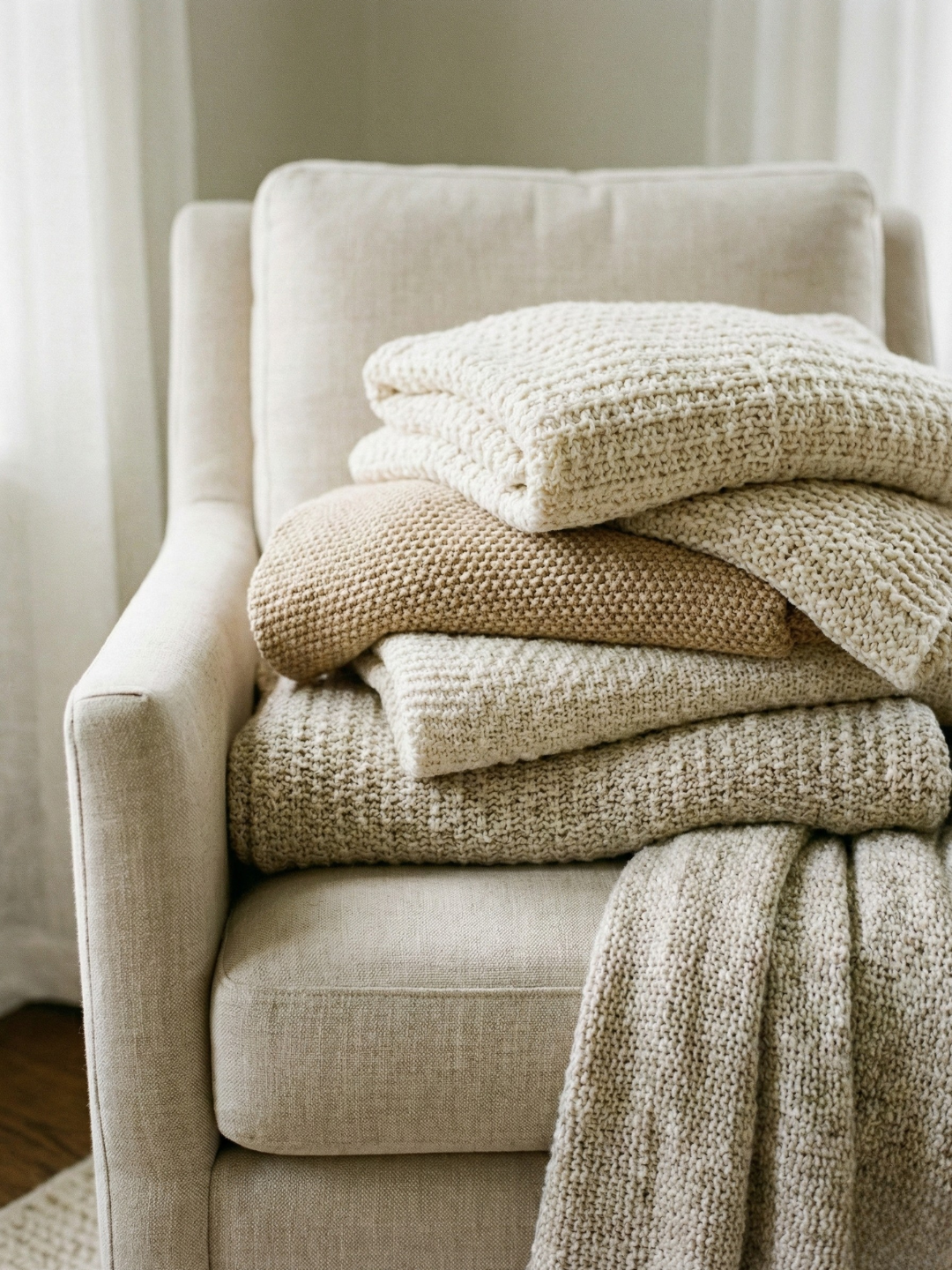
This is when you have too many objects serving the same purpose. Multiple throw blankets on one sofa. Four different styles of candles on a coffee table. A bookshelf packed with both books and decorative objects fighting for space.
Redundancy happens gradually. You buy something you like, forget about it, and buy something similar a few months later. Over time, the effect compounds until the room feels overstuffed.
How to Identify What to Remove
The hardest part of restraint is deciding what goes. I use a few questions to guide the process.
Does It Serve a Function?
This applies to both practical and aesthetic functions. A chair that's never sat in but anchors a corner serves a purpose. A stack of magazines you'll never read doesn't.
If an object exists purely for decoration, ask yourself if it's doing that job well. Does it contribute to the atmosphere you want, or is it just taking up space?
Does It Align With My Visual Signature?
I have a clear aesthetic: warm neutrals, natural materials, pieces with quiet presence. Anything that doesn't fit that filter, no matter how beautiful, creates dissonance.
A few years ago, I inherited a brightly colored ceramic lamp. It was well-made and objectively lovely, but it didn't fit the palette of my home. I passed it to a friend whose space it suited better. The decision wasn't about the lamp's value. It was about coherence.
Is It Competing With Something Better?
Sometimes you have two good things that cancel each other out. A sculptural vase and an architectural lamp on the same surface. A bold rug and a statement coffee table in the same room.
When I notice this kind of competition, I choose one and remove or relocate the other. The remaining piece gets to shine, and the room feels calmer.
Practical Editing Strategies
Knowing what to remove is one thing. Actually doing it requires a system.
The Six-Month Test
If I haven't used, noticed, or appreciated an object in six months, it's a candidate for removal. This doesn't apply to seasonal items or things stored intentionally. But it's a useful filter for everyday decor.
I did this with my living room last spring and removed eight items. None of them were bad. They'd just faded into the background to the point where their absence didn't register until days later.
The One-In-One-Out Rule
For every new object I bring into my home, something else leaves. This keeps accumulation in check and forces me to be intentional about purchases.
It also makes me evaluate whether I want something enough to sacrifice something else for it. Often, the answer is no.
The Surface Reset
Every now and then, I clear every surface in a room and start from scratch. Coffee tables, shelves, countertops. Everything comes off, gets evaluated, and only the essential pieces go back.
This practice reveals how much I'd been tolerating without realizing it. Objects creep onto surfaces gradually. Mail piles up. A mug gets left behind. A book gets set down and never moved. Resetting forces me to see what I've been ignoring.
What Restraint Creates
When you remove the excess, what's left has room to resonate. A single piece of art on a wall becomes a focal point. A carefully chosen object on a shelf becomes something worth noticing.
Restraint also creates a sense of calm. There's less to clean, less to organize, less to visually process every time you walk into a room. Your space becomes a place to rest rather than a place that demands constant attention.
I've found that the rooms I've edited most aggressively are the ones I spend the most time in. Not because they're sparse, but because they feel complete. There's nothing I'm mentally adding or subtracting. The space just is.
The Ongoing Practice
Restraint isn't a one-time purge. It's a continuous practice of noticing what's accumulating and making adjustments before the clutter becomes overwhelming.
I revisit each room every few months and ask myself what can go. Sometimes it's something that's been there for years. Sometimes it's something I brought in last week. The goal isn't to achieve some perfect state. It's to stay attuned to how the space feels and make adjustments as needed.
The rule of restraint is simple in concept: less is often more effective. But the execution requires discipline. It means resisting the urge to fill every gap, to buy something just because it's beautiful, to hold onto things out of obligation.
What you gain is worth the effort. Rooms that feel intentional. Spaces that support rather than distract. A home that reflects your taste rather than your accumulation.