Mixing High-End Furniture with Modern Essentials
The first piece of furniture I saved for was a vintage Eames lounge chair. It took me months to afford it, and when it finally arrived, I placed it in my living room with nothing else around it. I sat there that evening, surrounded by IKEA shelving and a hand-me-down coffee table, and realized the room looked better than it ever had.
That chair elevated everything around it. The affordable pieces didn't look cheap anymore. They looked considered. That's when I understood that high-low composition isn't about hiding your budget. It's about strategic placement of quality that lifts the entire space.
The Logic of High-Low Mixing
The concept is straightforward: pair high-end investment pieces with more accessible items to create a room that feels curated without requiring every element to be expensive.
What makes this work isn't randomness. It's intentionality. You're not mixing high and low to save money, though that's a benefit. You're doing it because the contrast creates visual interest and authenticity. A room where everything is expensive can feel sterile. A room where everything is affordable can lack depth. The mix feels lived in.
Where to Invest
Not every piece in your home deserves the same budget. Some items carry a room. Others support it. Knowing the difference is the foundation of high-low composition.
Anchor Furniture
These are the pieces you interact with daily and that define the structure of a room. A sofa. A bed. A dining table. These items should be the best you can afford because they do the most work.
I bought my sofa six years ago, and it was more than I'd ever spent on a single piece of furniture. But I sit on it every day. It's held up through moves, through guests, through life. The cost per use has been negligible, and it still looks as good as the day it arrived.
Quality anchor pieces also tend to be timeless. They're not trend-driven, so they age well. A well-made sofa in a neutral linen will work in your home for a decade. A trendy modular piece in a seasonal color might feel dated in two years.
Statement Objects
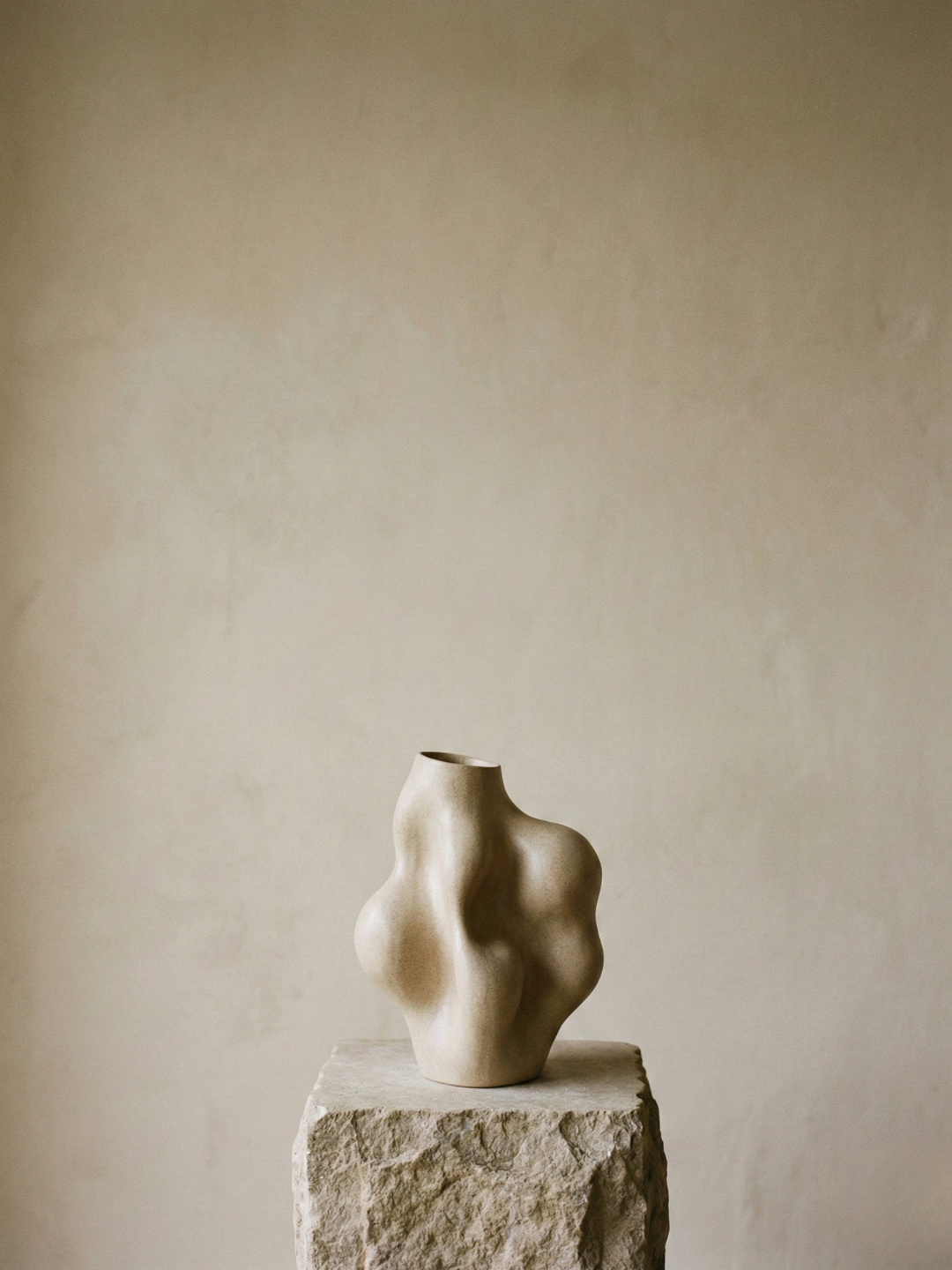
These are the pieces that give a room its personality. A vintage credenza. A sculptural lamp. A piece of art that stops you when you walk into the room.
Statement pieces don't have to be the most expensive items you own, but they should be thoughtfully chosen. They're the elements that make your space feel like yours rather than a catalog layout.
I found a Danish teak sideboard at an estate sale for a fraction of what it would cost new. It's the first thing people notice in my dining room, and it's become part of how I describe my home to others. That kind of visual impact is worth the investment, whether it's financial or the time spent hunting for the right piece.
Materials That Age Well
Certain materials improve with use. Leather, solid wood, natural stone, linen. These are worth investing in because they develop character over time rather than deteriorating.
I have a leather ottoman that's softened and worn in all the right places. It looks better now than it did when I bought it. Compare that to a synthetic alternative that would have cracked and faded by now.
When you invest in materials that age well, you're not just buying furniture. You're buying longevity.
Where to Save
The counterpoint to investment is knowing where affordable options work just as well as expensive ones.
Trend-Forward Pieces
If you're drawn to something because it's current, don't spend a fortune on it. Your taste will evolve, and so will design trends. An affordable version allows you to enjoy the moment without committing to it permanently.
I bought a set of terracotta planters from a big-box store because I was into warm, earthy tones. Two years later, my palette shifted. I replaced them without guilt because they hadn't cost much. If I'd invested in handmade ceramics, I would have felt locked into a style I'd moved past.
Functional Basics
Some objects exist purely to serve a function, and expensive versions don't perform meaningfully better than affordable ones. Picture frames. Storage bins. Basic shelving.
I use simple white frames from a budget retailer for most of my art. They're clean, they work, and they don't distract from what's inside them. Spending ten times more on designer frames wouldn't improve the room.
Textiles and Soft Goods
Throws, pillows, and smaller textiles wear out and need replacing more frequently than furniture. Unless it's a rug or curtains that define the space, affordable options make sense.
I rotate throw pillows seasonally and replace them when they start to look tired. Spending minimally on these items means I can refresh the room without hesitation.
The Art of Pairing
The real skill in high-low composition is making sure the affordable pieces don't undermine the expensive ones, and vice versa.
Visual Weight
An affordable piece can sit next to an investment piece if they share similar visual weight. A simple linen sofa from a mass-market retailer can anchor a room alongside a vintage Danish chair because they both have clean lines and substance.
What doesn't work is pairing a delicate, insubstantial piece with something heavy and grounded. The contrast highlights the weakness of the lesser item rather than creating balance.
Material Harmony
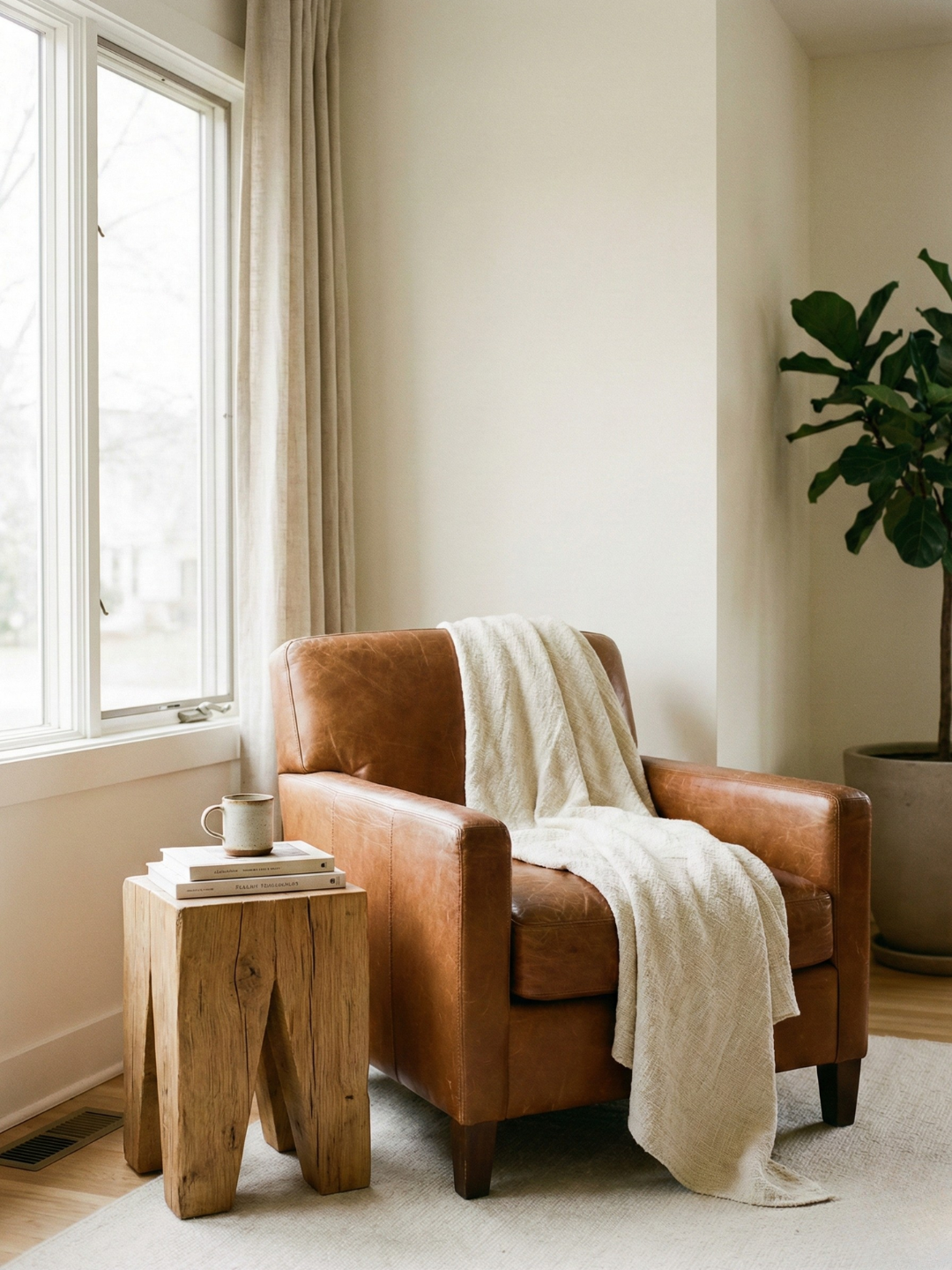
Even if the cost varies, the materials should speak to each other. A solid wood coffee table from a budget brand can sit next to a designer leather chair because the materials feel cohesive. A plastic side table next to that same chair would feel jarring.
I pay attention to finish and texture as much as cost. A well-finished affordable piece can hold its own next to something expensive if the material quality reads as genuine.
Restraint in Contrast
High-low mixing works best when it's subtle. If every affordable piece is aggressively styled to compensate for its price, the effect backfires. Simple, well-designed basics are easier to integrate than overly decorative budget items.
I lean toward minimalist affordable pieces because they don't compete with my investment items. They recede when they need to and support the overall composition without drawing attention to their price point.
Real Examples From My Home
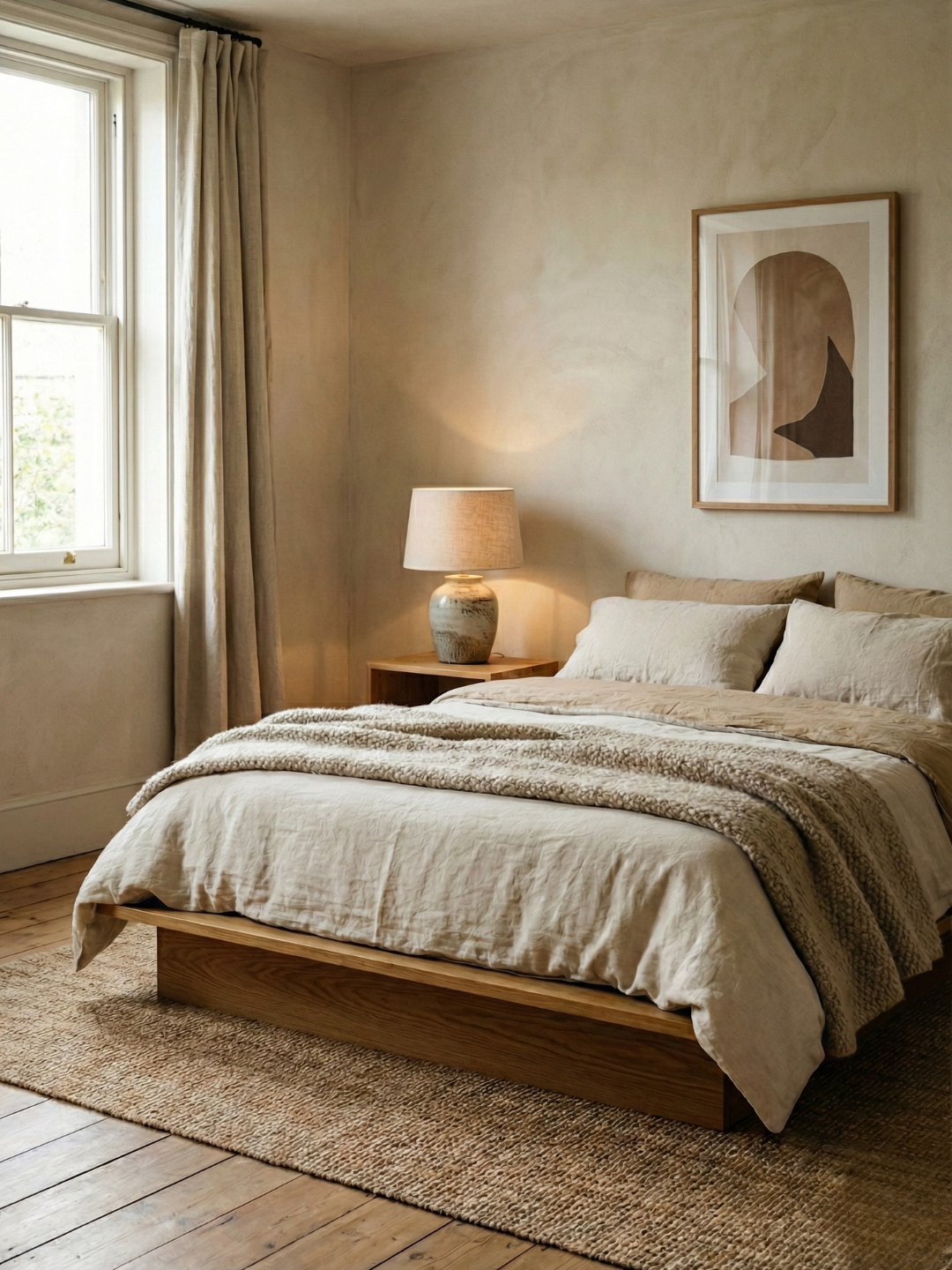
In my bedroom, I have a mid-century platform bed that I spent months searching for. It's solid walnut, beautifully made, and the focal point of the room. The bedside tables are from IKEA. They're simple, functional, and visually quiet. The bed elevates the tables, and the tables let the bed be the statement.
My living room has that Eames chair, a vintage rug I found at an auction, and a custom linen sofa. The coffee table is from a local craftsman, but the bookshelf is from a chain store. The floor lamp is a designer piece, but the throw blankets are from a textile market. None of these pairings feel dissonant because the overall aesthetic is consistent.
What This Approach Creates
High-low composition allows you to build a home that feels complete without waiting until you can afford to furnish every room with designer pieces. It also keeps your space from feeling too precious. There's something grounding about knowing that not everything in your home is irreplaceable.
It also trains your eye. When you're forced to evaluate whether an affordable piece can hold its own next to an expensive one, you start to notice what actually makes something well-designed. It's not always the price. It's the proportions, the materials, the finishing. Those principles apply whether something costs $50 or $5,000.
The goal is a space that feels collected rather than purchased all at once. Rooms that tell a story about what you've prioritized, what you've found, and what you've chosen to live with. That kind of authenticity doesn't come from spending the same amount on everything. It comes from knowing where quality matters and where it doesn't.