Why I Started Growing My Own Food
On soil, patience, and what changes when you grow something yourself.
I did not come to this alone. My mother has kept a kitchen garden for as long as I can remember. Seedlings on the windowsill in spring, jars of things she had dried or pickled lined up in the pantry. Growing up, it was background. Something she did, not something I thought about.
A few years ago I was standing in her garden while she showed me how to pinch out the side shoots on a tomato plant. We were not talking about anything particularly important. The whole hour had a quality to it that is hard to find elsewhere. That was what brought me back to it.
Why I Turned to the Garden
The honest answer is that I was drawn to the pace of it. There is something grounding about tending to something every day, even briefly. A couple of minutes checking on pots, adjusting a stake, pulling a leaf that has gone yellow. It gives the morning a particular quality I have come to rely on.
I also care deeply about the food I cook. Quality ingredients have always mattered to me, and growing some of my own felt like a natural extension of that. It was less about self-sufficiency and more about being close to what I was eating. Read more on My Move to the Garden
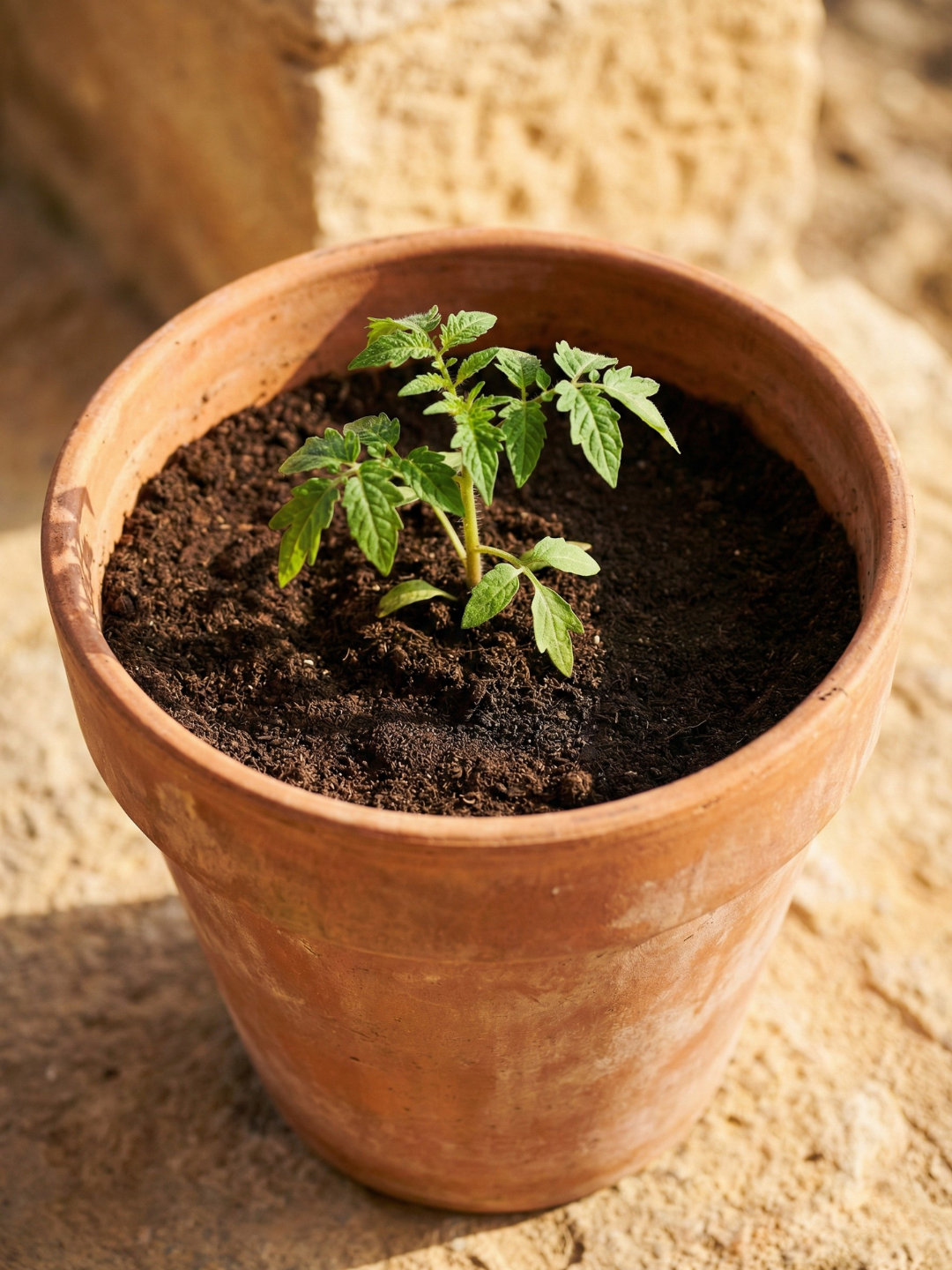
Supermarket Produce vs. What I Grow
I want to be careful here because it is easy to slide into food snobbery, which I find tiresome. Good grocers stock good produce, and I still use them. But there is something that homegrown offers that no shop can replicate, and it is not just about flavor.
Though flavor is part of it. A supermarket tomato is picked before it is ripe so it survives transit. A tomato from your own garden can stay on the vine until you are ready for it. That gap in ripening time is most of what you taste. Herbs are the same: basil cut ten minutes before dinner is a genuinely different ingredient from a bunch that has been in a cold chain for three days.
When you have waited months for something to be ready, you do not treat it carelessly.
What growing food has actually changed is the quality of attention I bring to eating. When I have been checking on a plant for three months, I think more carefully about what to do with it when it is finally ready. That kind of attentiveness tends to spread. It has quietly raised my standards for everything else I cook with. Read more on the Value of the Home Harvest
Starting Small
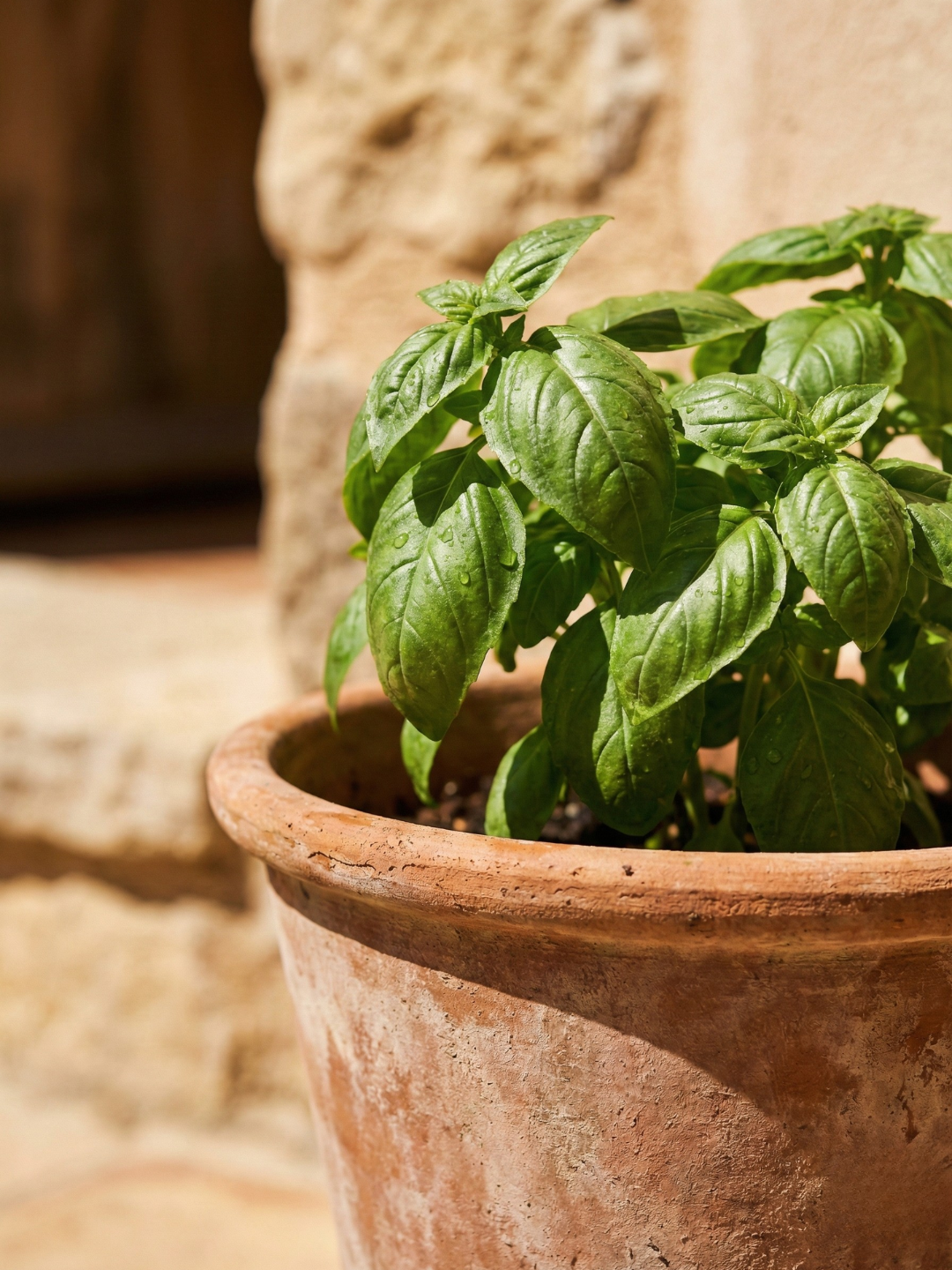
When I began on my own, I had four pots. Basil, a cherry tomato, chives, and a small pot of rocket. Not a deliberate exercise in restraint, just an honest assessment of my space and how much attention I could reliably give.
Those four pots taught me more than a larger setup would have. I learned how much water these plants actually wanted, not from a guide but from observation. That basil sulks in direct afternoon sun. That cherry tomatoes need more support than they look like they do. The kind of knowledge you only get from being there for it.
The trap I see most often is planning too large at the start. The gap between an imagined garden and what you can realistically manage in year one becomes discouraging before a single seed has gone in. My mother did not build her garden all at once. It took a decade of slow additions to look the way it does now.
A single pot you look after well is worth more than a sprawling project that ends in neglect.
Starting small is not a compromise. It is the thing most likely to keep you interested long enough to learn what you actually enjoy growing. That first season with four pots gave me a foundation. Everything since has grown from it.
None of this requires a lot of space or any particular expertise. It requires a pot, some soil, and a consistent amount of attention. That is how I started, and it is still how I think about it. Read more on Starting Your Own Veggie Garden