Defining Your Personal Hosting Rituals
There are certain things I do every time I have people over. Not because I'm following a checklist, but because these actions have become part of how I prepare myself, mentally and physically, for hosting.
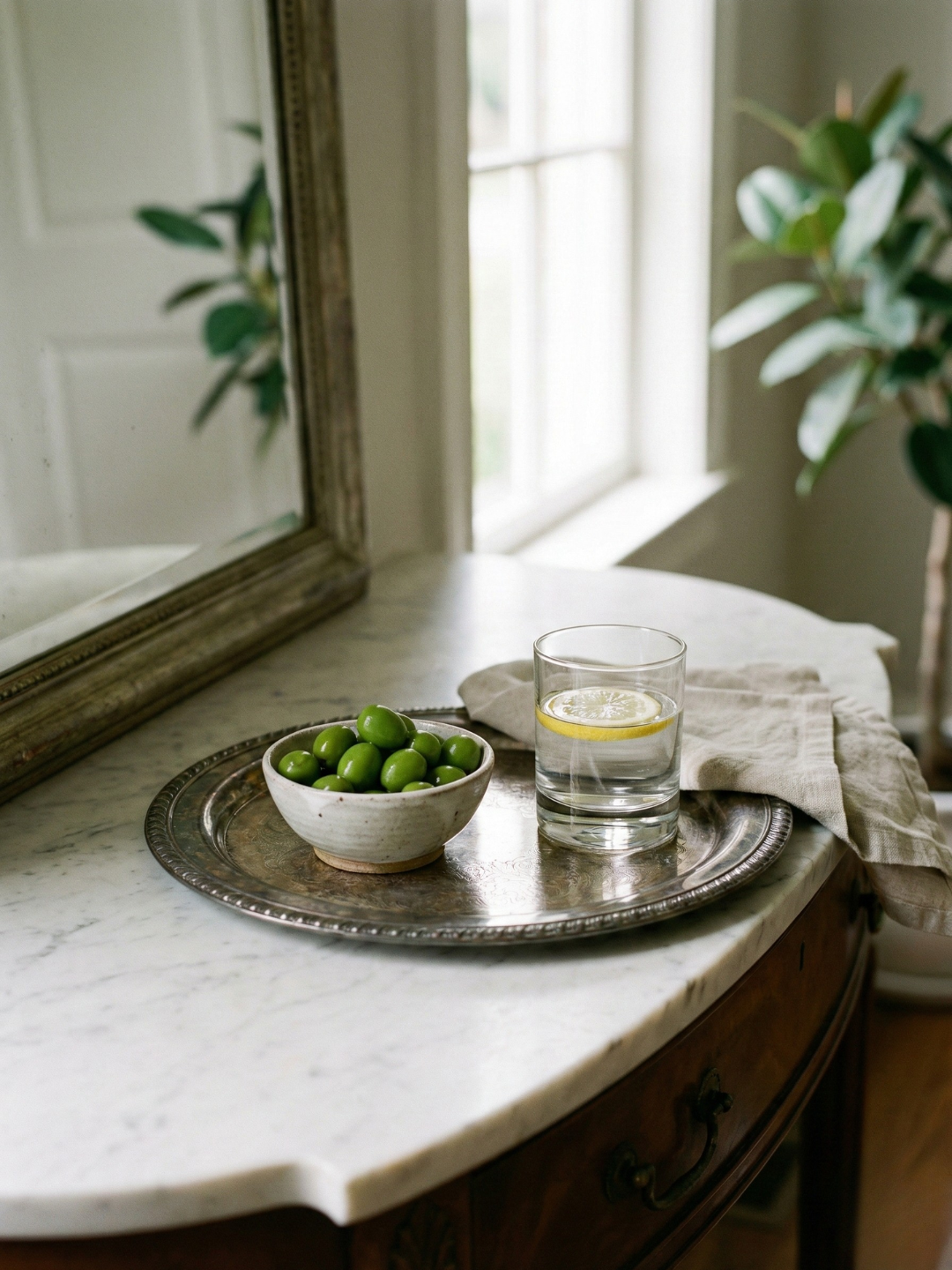
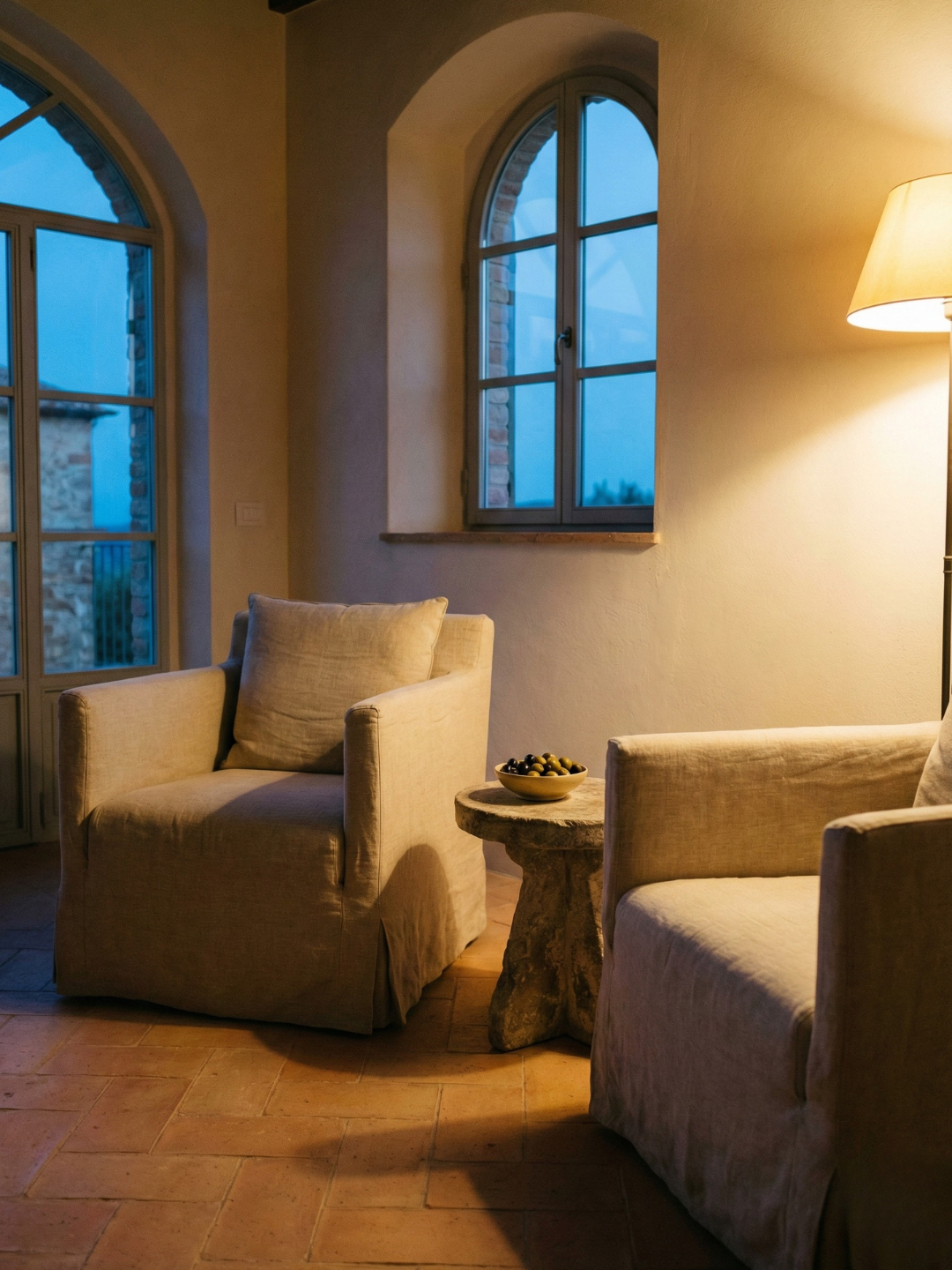
I light candles in a specific order: living room first, then hallway, then dining area. I put on music about forty minutes before guests arrive. I set out a small dish of olives or almonds, even if we're about to sit down to dinner.
These are my hosting rituals. Small, repeated actions that signal to me that an evening is beginning.
What Makes Something a Ritual
A ritual is different from a task. Washing dishes is a task. But washing dishes in a particular way, at a particular time, with a particular mindset, that can become a ritual.
The distinction is in the intentionality. A ritual is chosen. It has meaning beyond its practical function.
My hosting rituals are actions that prepare the space, yes, but more importantly, they prepare me. They create a transition between my regular day and the specific mindset required for hosting.
The Morning-Of Ritual
I've learned that how I spend the morning affects the entire evening. If I'm rushing around, stressed and behind, that energy persists. If I move through the day with some spaciousness, I arrive at the evening calm.
On days when I'm hosting, I build in time for certain things. A walk, if possible. At least thirty minutes of unhurried movement through the house, tidying and arranging. Coffee at the table, not standing at the counter.
This isn't indulgent. It's practical. The state I'm in when guests arrive sets the tone for everything that follows.
I also prepare the table in the morning, or at least set out the elements I'll use. This means one less thing to think about later. But it also means I get to live with the table for a few hours before anyone sees it, adjusting as needed.
The Pre-Arrival Ritual
About an hour before people are due, I shift into a more focused mode. This is when I do my final check of the space.
I walk through as if I'm arriving for the first time. I notice what catches my eye, what feels cluttered, what might trip someone in dim light. I make small adjustments.
Then I light the candles. This is never rushed. I start at the front of the house and move through each room, lighting each one deliberately. By the time I'm done, the whole space has changed. It's no longer my everyday house. It's a house ready for guests.
I've been doing this for years, and it still works. The act of lighting candles is meditative. It gives me a few minutes to transition from preparation to presence.
Music comes next. I've created several playlists for different types of evenings. I don't have to think about what to play, I just choose the one that matches the mood I'm creating. The music fills the space and makes it feel inhabited, even before anyone arrives.
The Greeting Ritual
When someone arrives, I have a small ritual for welcoming them. I take their coat. I offer them a drink. I show them where things are: bathroom, place to set their bag.
This might seem obvious, but the consistency of it matters. Guests know what to expect. They're not left wondering what to do with their coat or whether they should ask for water.
I also make a point of giving each person my full attention when they arrive, even if I'm in the middle of something in the kitchen. The task can wait thirty seconds. The person deserves a proper greeting.
The Transition to Table
I've developed a specific way of moving people from the initial gathering to the table. I don't announce it formally. I just start carrying things to the table. People naturally follow and begin to sit.
If I'm serving drinks first, I make sure everyone has finished theirs, or I offer to refill and bring glasses to the table. This creates a natural break point.
I also light fresh candles on the table just before we sit, even if there are already candles burning elsewhere. It marks the transition.
The During-Dinner Rhythm
During the meal itself, I have a rhythm I follow. I serve the first course, then sit down. I don't jump up constantly. I've learned to let there be a moment when a bowl is empty before I refill it. People don't need constant attending.
Between courses, I clear only when it feels natural. I might leave the table once, bring back the next course, and clear the previous one on the same trip. Efficiency, but not at the expense of being present.
I also have a ritual around offering seconds. I ask once, clearly. If someone declines, I trust they mean it and don't push.
The Post-Meal Ritual
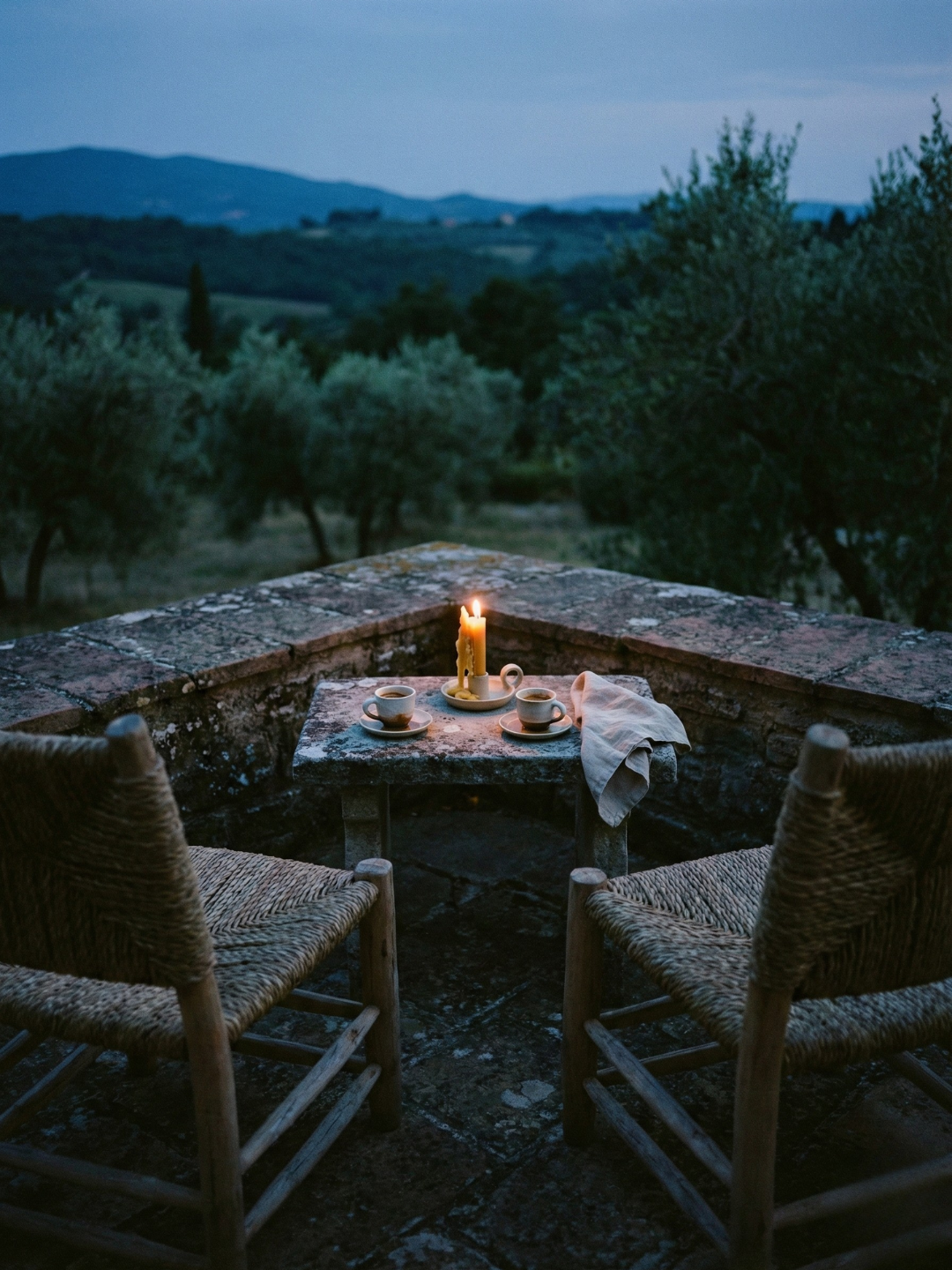
After dinner, there's a shift I intentionally create. I suggest moving to more comfortable seating, or I make coffee, or I bring out something small and sweet.
This transition is important. It signals that the formal part of the evening is over. People can relax further. Conversation can meander.
I also, at some point, start a very slow cleanup. Not in an obvious way, but I might gather empty glasses or stack plates. This isn't about rushing people out. It's about maintaining the space so that when people do leave, I'm not facing chaos.
The Farewell Ritual
When people start to leave, I walk them to the door. I thank them for coming. If they brought something, I thank them again specifically for that.
I stand at the door until they're in their car or down the street. This is a small thing, but it matters. It's a final gesture of care.
Then I close the door, and there's a particular feeling. The house settling back into itself. The quiet after voices.
The After-Everyone-Leaves Ritual
This might be my most important hosting ritual. After everyone has left, I don't go straight to bed, even if it's late.
I spend ten or fifteen minutes moving through the space. I blow out the candles. I collect glasses and take them to the kitchen. I might do the dishes, or I might just rinse them and leave them for morning.
The goal isn't to clean everything. It's to restore a basic sense of order so I wake up to a manageable situation, not a disaster.
I also pour myself water or tea and sit for a moment. This is my transition back to regular life. A few minutes to decompress.
Building Your Own Rituals
The rituals that work for me might not work for you. That's the point. These need to be personal.
To develop your own hosting rituals, start by noticing what you already do consistently. Are there actions you repeat without thinking? Those might be proto-rituals, habits that could be made more intentional.
Also notice when you feel most stressed or scattered while hosting. Is it right before people arrive? During the meal? After everyone leaves? Those are the moments that might benefit from a ritual, a structured action that grounds you.
The Value of Consistency
What makes rituals powerful is repetition. The first time you light candles in a particular sequence, it's just an action. The tenth time, it starts to have weight. The hundredth time, it becomes automatic.
This consistency creates confidence. You know what you're doing because you've done it before, the same way, many times.
It also creates a sense of occasion. When I start my pre-arrival ritual, my mind shifts. I become more focused, more present. The ritual itself is a signal to my nervous system that it's time to host.
Rituals vs. Rules
I want to be clear about something: these are not rules. They're not requirements for successful hosting. They're just what I've found helpful.
Your rituals might look completely different. Maybe you don't light candles. Maybe you prefer bright lights. Maybe you play jazz instead of classical. Maybe you never prearrange the table.
The specific actions matter less than the intentionality behind them. A ritual is something you choose, consciously and repeatedly, because it serves you.
The Comfort of Ritual
There's a particular comfort in having established rituals. When I'm tired or stressed or not particularly in the mood to host, I can rely on the rituals to carry me through.
I don't have to decide what to do. I just do what I always do. The familiarity is steadying.
This is especially true for the rituals around preparation. Starting the same way each time means I don't waste energy on decisions. I can save that energy for the actual hosting.
Evolving Over Time
My hosting rituals have changed over the years. Some have fallen away because they stopped serving me. Others have been added as I've learned what I need.
This is natural. A ritual that works in your twenties might feel wrong in your forties. A ritual that works in one home might not translate to another space.
The key is to stay attentive. Notice what feels right and what feels like obligation. Keep what serves you. Let go of the rest.
The Grounding Effect
At their best, hosting rituals are grounding. They anchor you in the present moment. They create a structure that allows you to be more relaxed, not less.
This is what I'm after: a set of repeated, intentional actions that make hosting feel less like a performance and more like a practice. Something I can return to, refine, and trust.
The rituals don't make the evening. But they create the conditions for a good evening to unfold. And that, I've found, is more than enough.