Using Light to Define Atmosphere in Your Home
For years, I lit rooms for function. Overhead light for general visibility. A desk lamp for working. Maybe a floor lamp in a dark corner. The rooms were adequately lit. They were also flat. I noticed this most in the evening. The space that felt dimensional and alive during the day would become stark under artificial light. No depth, no variation. Just bright. Light needed to do more than illuminate. It needed to create atmosphere.
Contrast Over Brightness
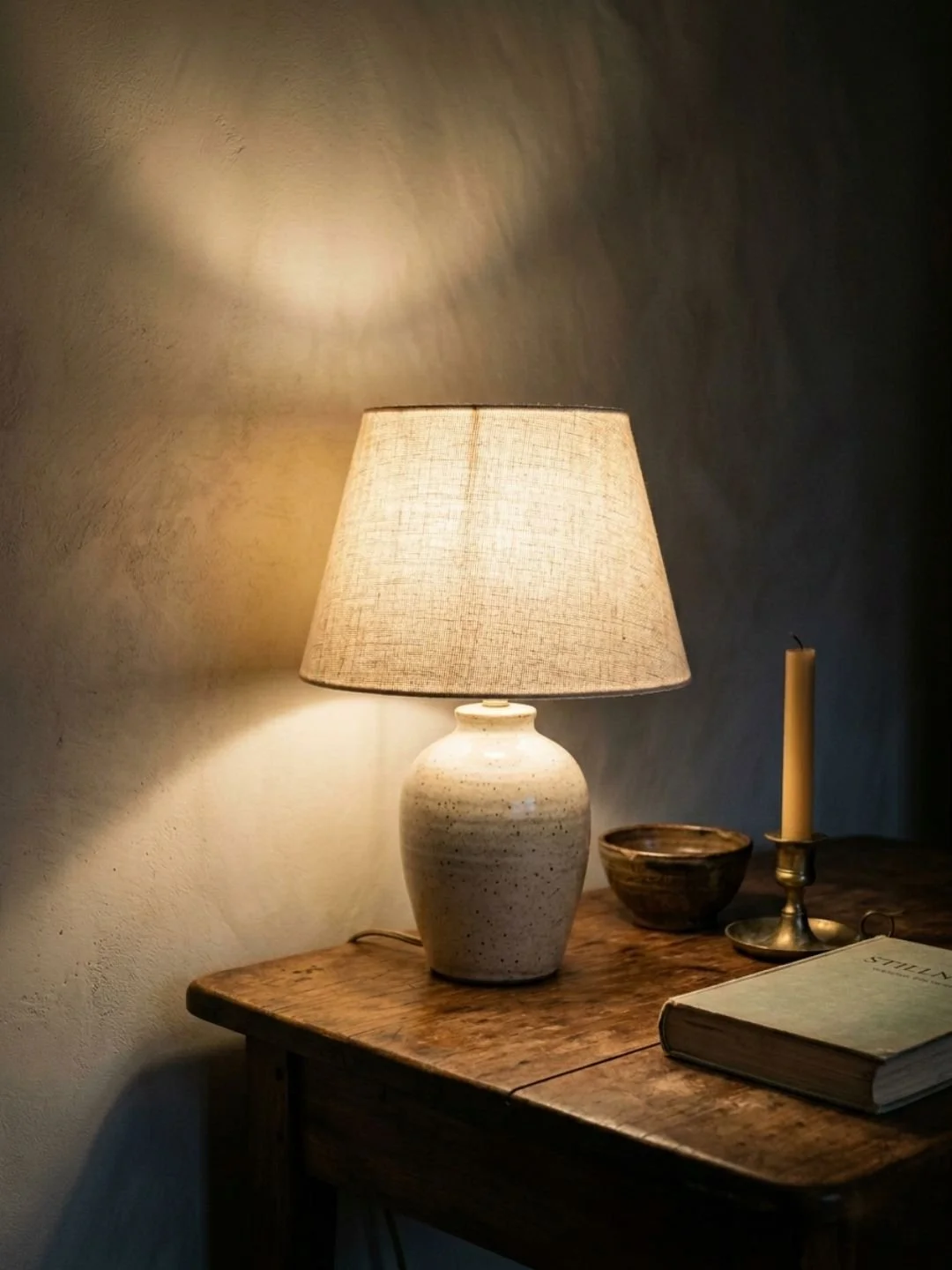
The shift happened when I started thinking about light in terms of contrast rather than coverage. A room doesn't need to be evenly lit. It needs pools of light at different intensities and heights. I keep overhead lighting on a dimmer and use it sparingly. Enough to navigate the room, but not enough to wash out other light sources. The real work happens at lower levels. Table lamps, floor lamps, sconces. These create zones within the space. A reading corner with focused light feels separate from the ambient glow of the main seating area. They're in the same room, but light carves them into distinct experiences.
The Three-Layer Approach
I layer light in three ways: ambient, task, and accent. Ambient light provides general illumination. This is usually a ceiling fixture or several lamps placed around the room. The goal is soft, indirect light that fills the space without dominating it. Task lighting serves specific activities. A swing-arm sconce by the bed for reading. A desk lamp with a focused beam. A pendant over the dining table. This light is brighter and more directed than ambient lighting. Accent lighting highlights particular objects or surfaces. A picture light over artwork. An uplift washing a wall. A lamp positioned to cast interesting shadows through a plant. This layer adds visual interest and depth. All three should be on separate switches or dimmers so you can adjust the balance depending on the time of day and activity.
Shadow as Composition
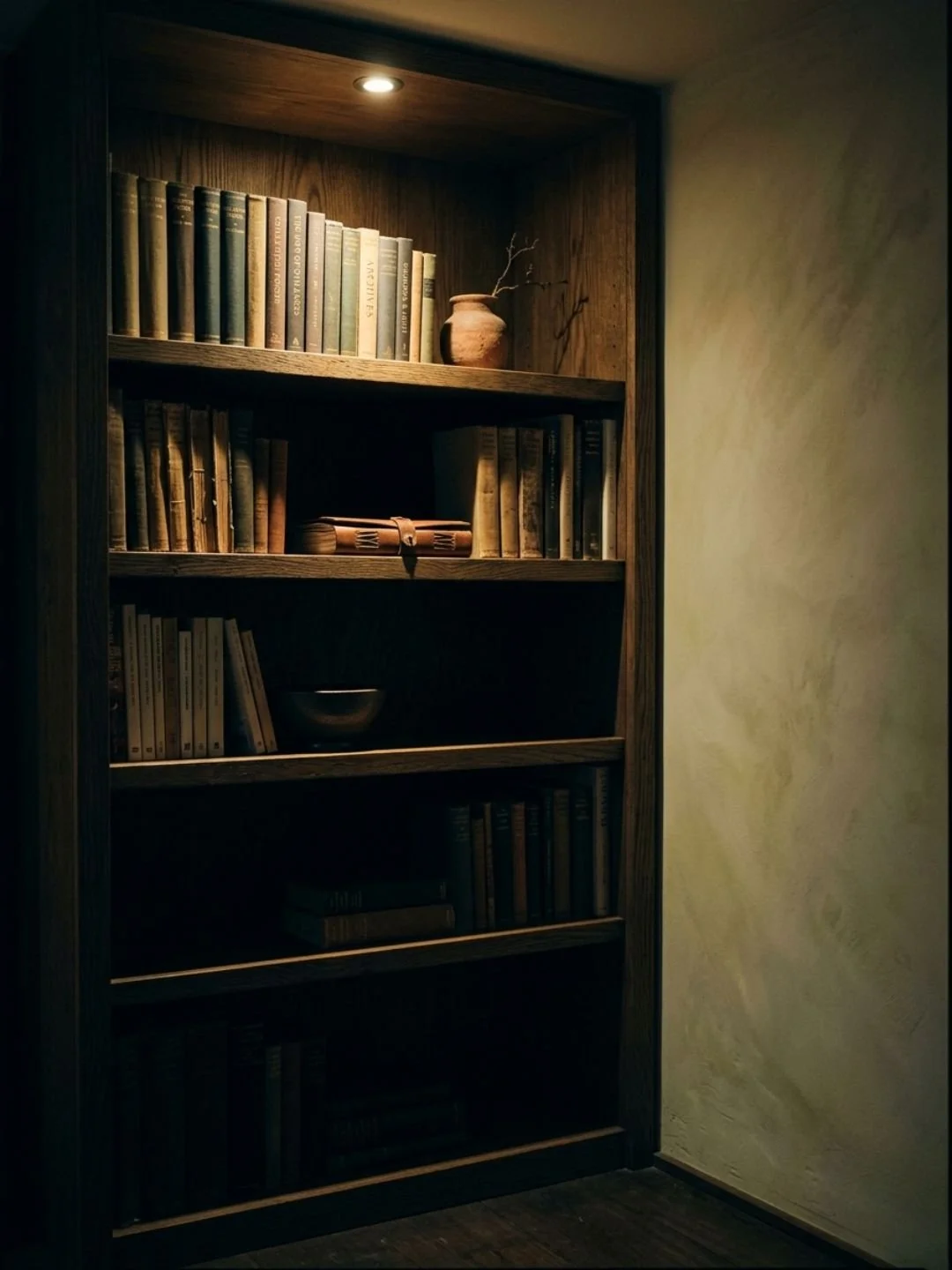
Shadow matters as much as light. A room with no shadows feels two-dimensional. Areas of darkness create scale and drama. I leave some corners deliberately dim. This makes the room feel larger because your eye doesn't hit a fully lit boundary. It also creates visual rest. Not every surface needs to be illuminated. In the living room, I have a tall bookshelf that's lit from above by a ceiling spot, but the lower shelves fade into shadow. This gradation adds depth. The books at eye level catch the light while the rest recede. Shadow also adds mystery. A corner that's not fully revealed makes a room more interesting than one where everything is visible at once.
Height and Placement
Light sources at different heights create dimension. All light at ceiling level flattens a space. All light at table level can feel cave-like. I aim for a mix: overhead for general light, table lamps at seated eye level for warmth, floor lamps to wash walls or highlight objects. This vertical layering makes the room feel more complex. Placement matters as much as height. A lamp in the center of a table creates even, predictable light. A lamp placed to one side casts more interesting shadows and defines space more clearly. I light the perimeter of a room rather than the center. Lamps near walls make the space feel larger by pushing light outward. A single central fixture draws the eye inward and can make a room feel smaller.
Temperature and Quality
Not all light is the same. Cool white light feels clinical. Warm light feels inviting. I use bulbs in the 2700K to 3000K range, which gives a soft, warm glow similar to candlelight. The quality of light also depends on the shade. A linen shade diffuses light softly. A metal shade directs it more sharply. A translucent glass shade creates a gentle glow. I choose based on what the space needs. In the bedroom, I want soft, diffused light. Linen shades on both bedside lamps. In the entryway, I use a brass sconce with a more focused beam to create definition.
Time of Day
I pay attention to how natural light moves through a room and place artificial light where it will matter most once daylight fades. In my living room, the western windows provide beautiful afternoon light. By evening, that side of the room is dim. I've placed two lamps on that side to continue the glow once the sun sets. The east side, which gets morning light, needs less artificial light in the evening. This creates continuity. The room doesn't feel drastically different at night because the artificial light is reinforcing the natural light patterns.
What Shifts
Once you see light as material rather than utility, rooms become more intentional. You start noticing where light falls, where shadows gather, how a room changes from morning to evening. Good lighting doesn't announce itself. The room just feels right. Dimensional, warm, alive. That quality comes from layering, contrast, and attention to how light shapes space.